
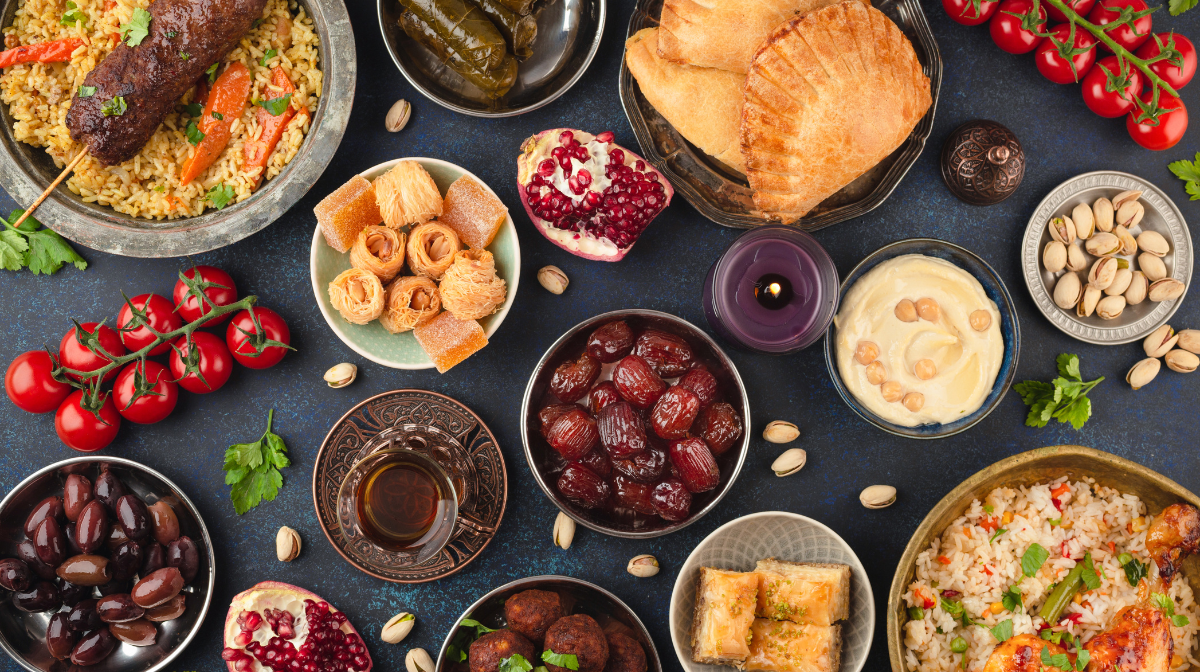
30 Healthy Recipes for Suhoor and Iftar during Ramadan
Ramadan is a special month for Muslims, and maintaining proper nutrition during Suhoor and Iftar is not only essential for physical health but also a key part of spiritual practice. In this article, we explore the most beneficial recipes that will help you stay energized and healthy throughout the month.
What are Suhoor and Iftar, and Why Are They Important
Suhoor is the pre-dawn meal before beginning the fast. Choosing the right foods for Suhoor is critical as it determines your well-being throughout the day of fasting.
Iftar is the evening meal after sunset when Muslims break their fast. Traditionally, Iftar begins with dates and water, then progresses to a full meal.
Principles of Healthy Eating During Ramadan
What to Eat for Suhoor for Lasting Energy:
Foods with low glycemic index: oatmeal, whole grain bread, quinoa
Protein-rich foods: eggs, cheese, yogurt, nuts
Healthy fats: avocado, olive oil, chia seeds
Fruits and vegetables: to maintain water balance and provide vitamins
What to Avoid for Suhoor:
Sweets and pastries high in sugar
Fried foods that are difficult to digest
Caffeine, which has a diuretic effect
Excessively salty products that cause thirst
Healthy Recipes for Suhoor
1. Baked Oatmeal with Berries
A convenient breakfast option that can be prepared in advance.
Ingredients:
1 cup rolled oats
1 egg or 2 tbsp Greek yogurt
1 cup milk (dairy or plant-based)
½ cup fresh or frozen berries
1 tbsp honey
½ tsp baking powder
Preparation:
Mix the oats, baking powder, egg, milk, and honey in a large bowl.
Add the berries and stir gently.
Pour the mixture into a small baking dish.
Bake at 180°C for 20-25 minutes until golden brown.
Why it's healthy: The combination of slow-release carbohydrates from oats and protein ensures lasting fullness and stable energy levels.
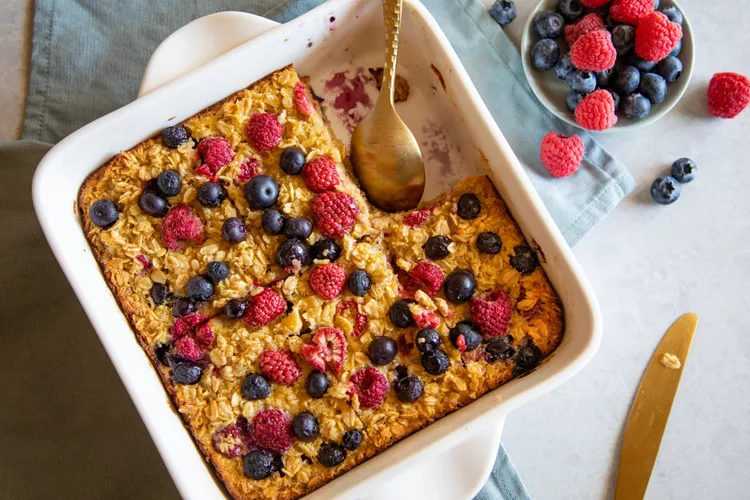
Photo Credit: simplyrecipes.com
2. Homemade Muesli Jar (Overnight Oats)
A nutritious Suhoor that requires no morning cooking.
Ingredients:
½ cup rolled oats
1 cup natural yogurt or milk
1 tbsp flaxseeds or chia seeds
A handful of nuts and chopped dried fruits
A pinch of cinnamon
Preparation:
Pour the oats and seeds into a glass jar.
Add the yogurt or milk and cinnamon.
Stir well, cover with a lid, and leave in the refrigerator overnight.
Add nuts and dried fruits just before eating in the morning.
Why it's healthy: High in fiber and probiotics, it supports digestion throughout the day.
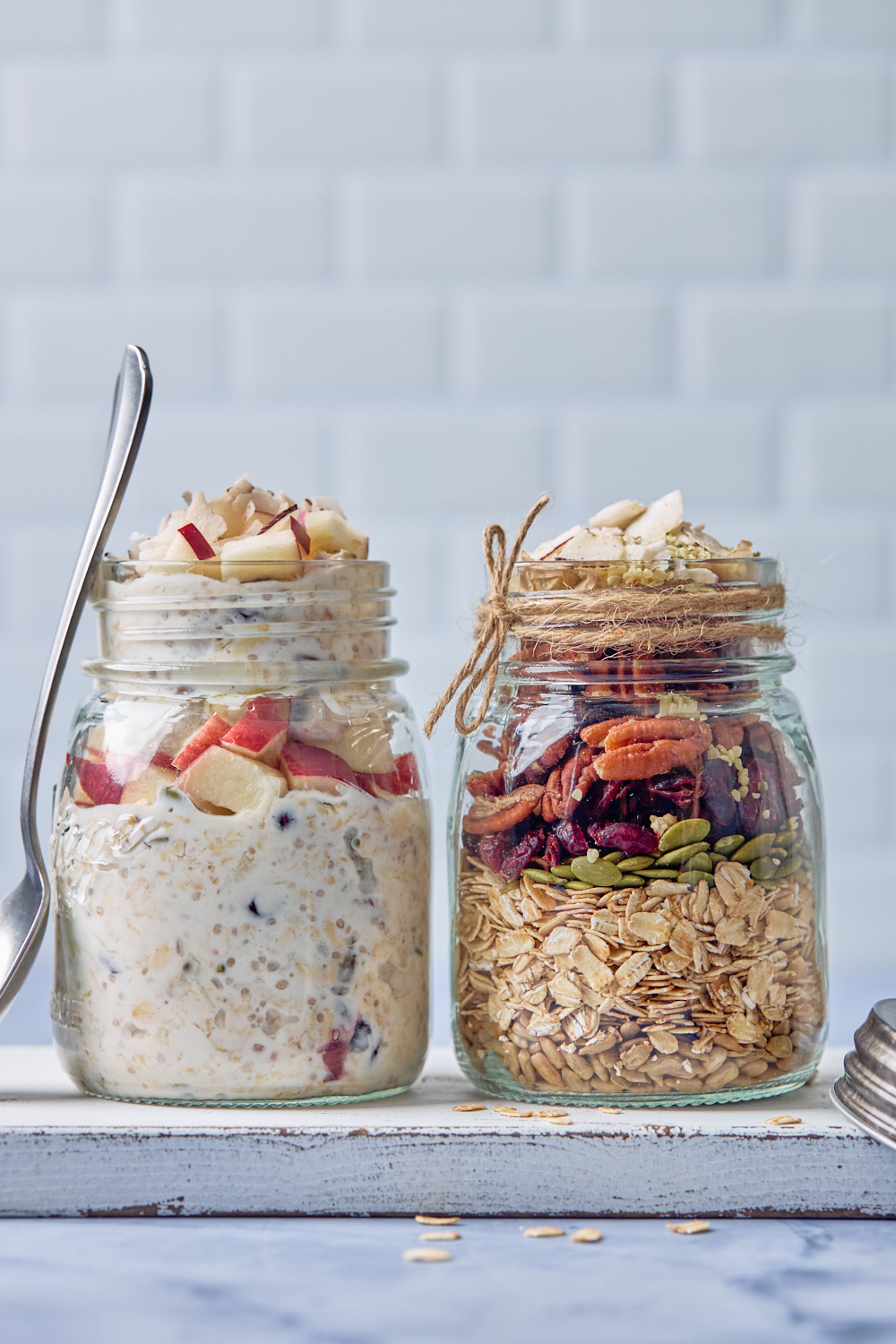
Photo Credit: oliveandmango.com
3. Baked Banana Bread with Oat Flour
A healthy alternative to traditional pastries.
Ingredients:
2 ripe bananas
2 eggs
1.5 cups oat flour (blended oats)
½ cup natural yogurt
1 tsp baking soda or baking powder
Nuts (optional)
Preparation:
Mash the bananas with a fork into a puree.
Add the eggs and yogurt; mix well.
Stir in the oat flour and baking powder.
Bake in a loaf pan at 170°C for about 40-45 minutes.
Why it's healthy: Oat flour provides complex carbohydrates, while bananas provide essential potassium.
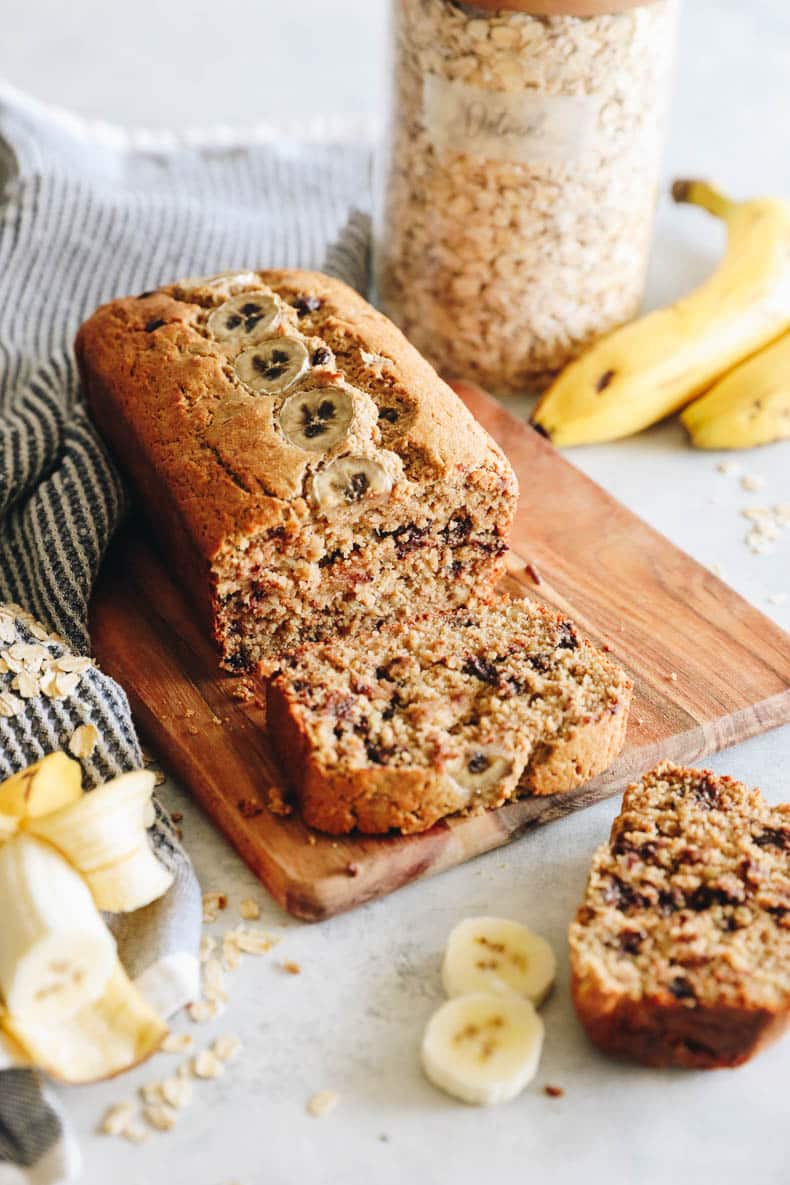
Photo Credit: thehealthymaven.com
4. Egg and Vegetable Muffins
A portion-controlled dish that is easy to reheat before dawn.
Ingredients:
4 eggs
A handful of fresh spinach or broccoli
½ bell pepper
30g grated hard cheese
Salt and pepper to taste
Preparation:
Beat the eggs with salt and pepper.
Finely chop the vegetables and distribute them into muffin tins.
Pour the egg mixture over the vegetables and sprinkle with cheese.
Bake for 15-20 minutes at 180°C.
Why it's healthy: High in protein and vitamins without excessive fats.
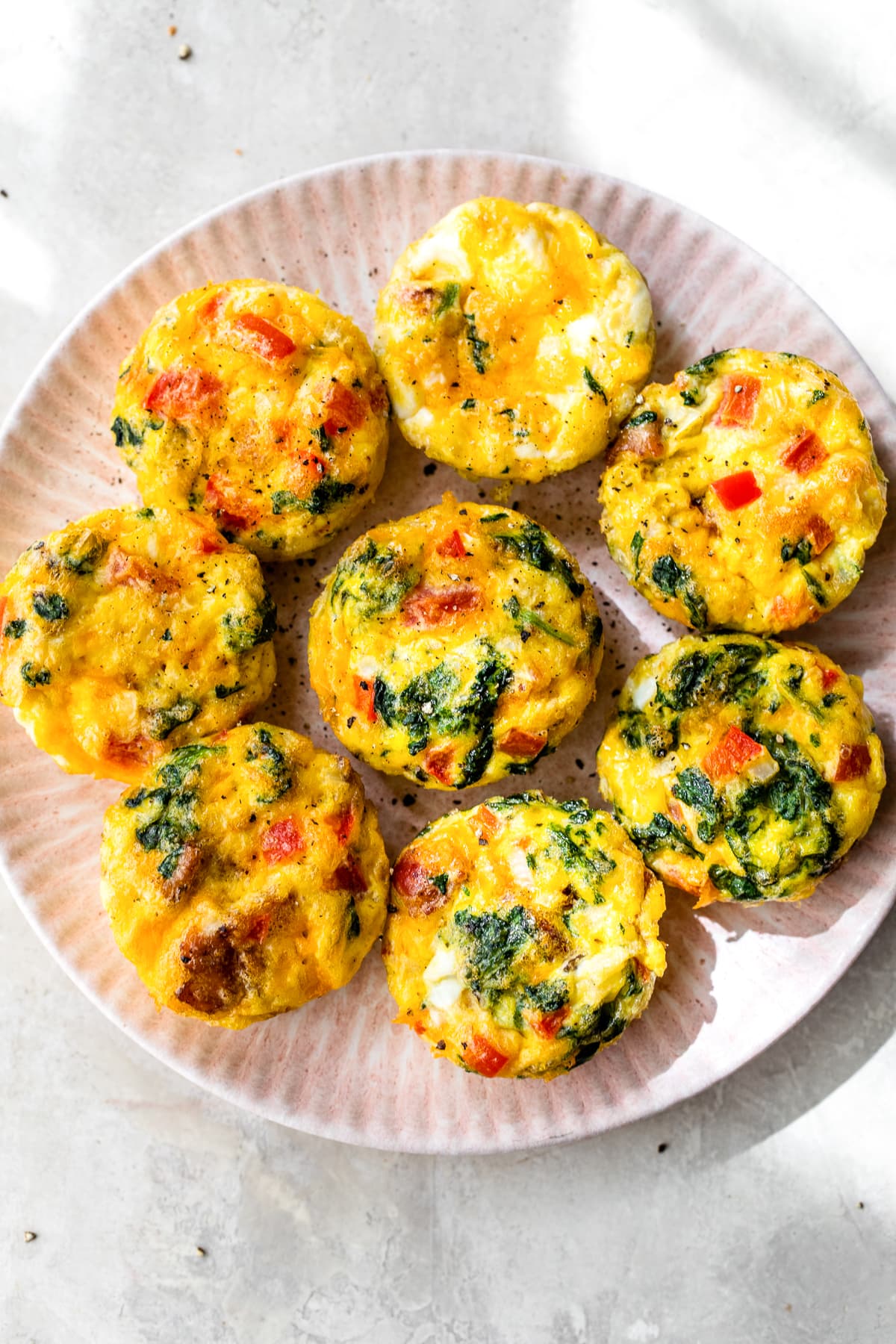
Photo Credit: skinnytaste.com
5. Turkish Çılbir (Poached Eggs over Garlic Yogurt)
A sophisticated, protein-rich dish that feels incredibly fresh.
Ingredients:
2 eggs
150g thick Greek yogurt
1 clove garlic (minced)
1 tsp olive oil and a pinch of paprika
Fresh dill
Preparation:
Mix the yogurt with the minced garlic and dill; spread it on a plate.
Prepare poached eggs (or soft-boiled eggs).
Place the eggs on top of the yogurt base.
Briefly heat the oil with paprika and drizzle it over the dish.
Why it's healthy: A massive serving of probiotics and protein for perfect digestion.
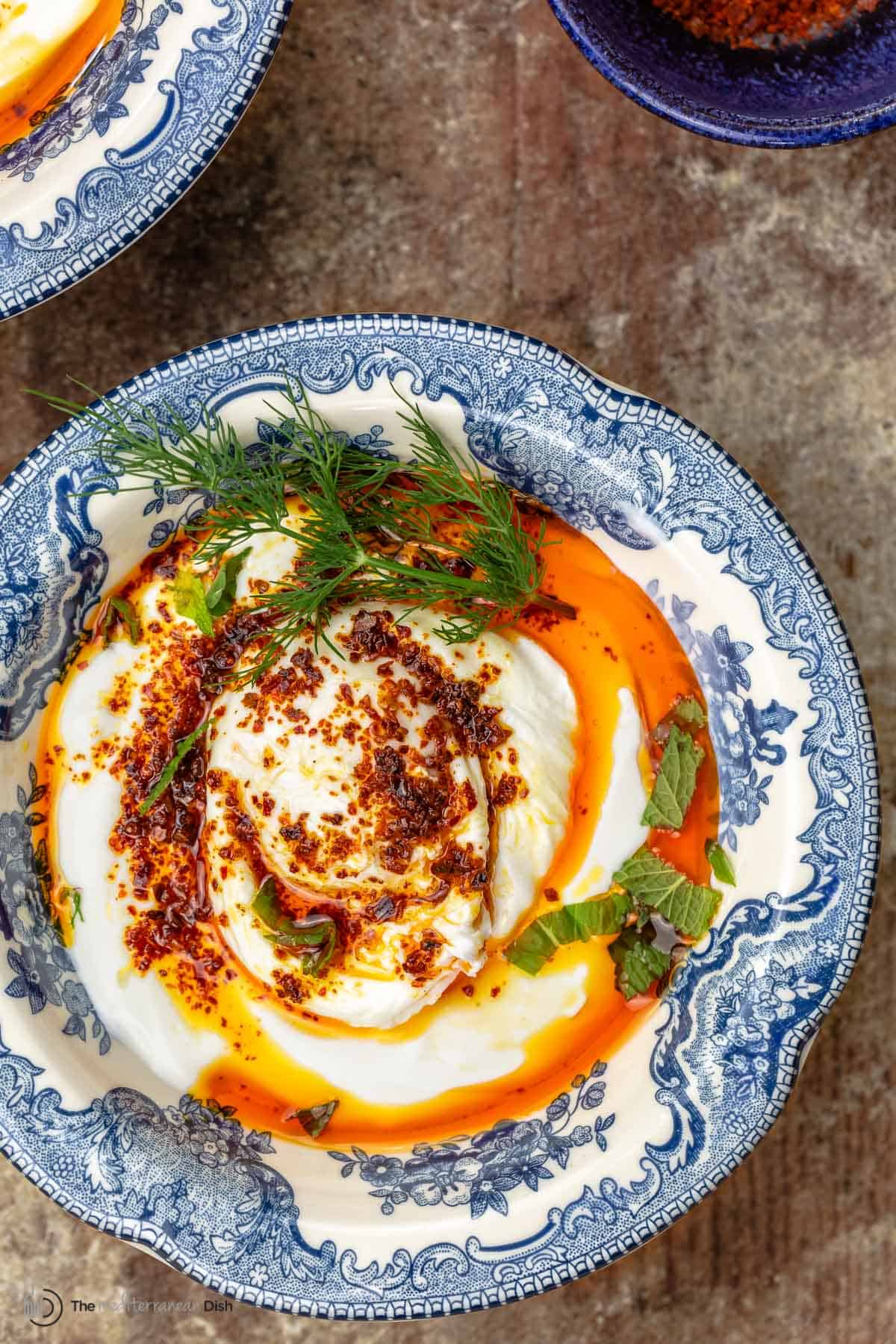
Photo Credit: themediterraneandish.com
6. Buckwheat Bowl with Avocado and Egg
A traditional "superfood" with a modern twist.
Ingredients:
½ cup buckwheat groats
½ avocado
1 boiled egg
Pumpkin seeds
Preparation:
Boil the buckwheat until tender.
Top with sliced avocado and the boiled egg.
Sprinkle with pumpkin seeds for extra crunch.
Why it's healthy: Buckwheat has a very low glycemic index, keeping you full for 6–8 hours.
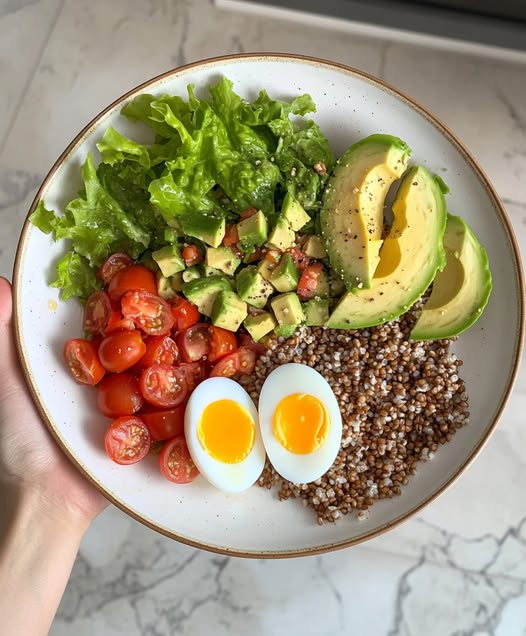
Photo Credit: facebook.com
7. Cottage Cheese Bake with Dried Apricots (Sugar-Free)
A light, dessert-style format that can be eaten cold.
Ingredients:
300g low-fat cottage cheese
1 egg
5-6 dried apricots (finely chopped)
1 tbsp rice flour or semolina
Preparation:
Mix all ingredients until smooth.
Pour into a mold and bake for 30 minutes at 180°C.
Why it's healthy: The potassium in apricots supports the heart during fasting, and cottage cheese provides slow-digesting casein protein.
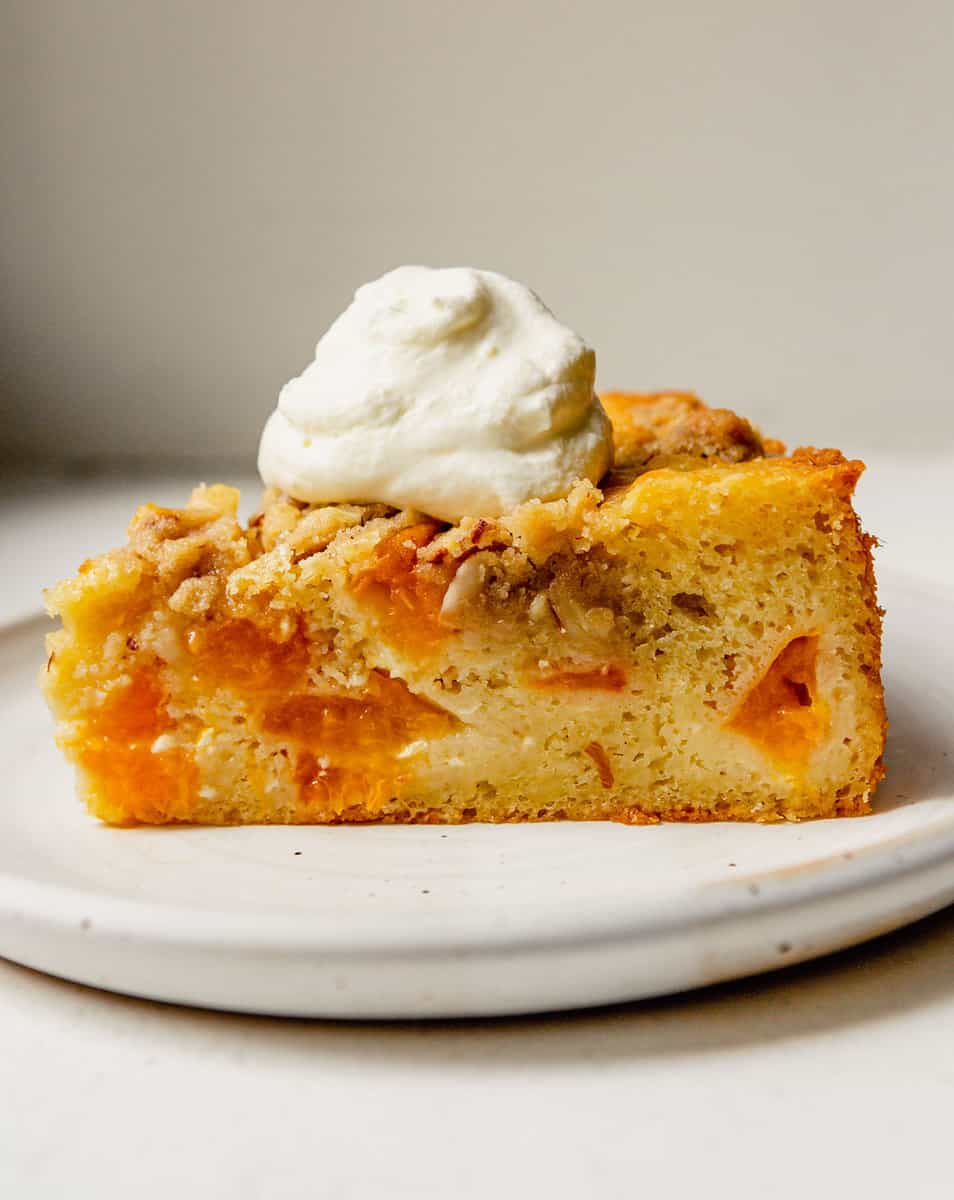
Photo Credit: zestfulkitchen.com
8. Red Lentil Pancakes (Dosa Style)
A plant-based breakfast for those who want a break from eggs.
Ingredients:
½ cup red lentils (soaked overnight)
¼ cup water
Salt, turmeric
Preparation:
Blend the soaked lentils with water and spices until smooth.
Fry like regular pancakes on a non-stick pan.
Why it's healthy: A powerful source of iron and plant-based protein.
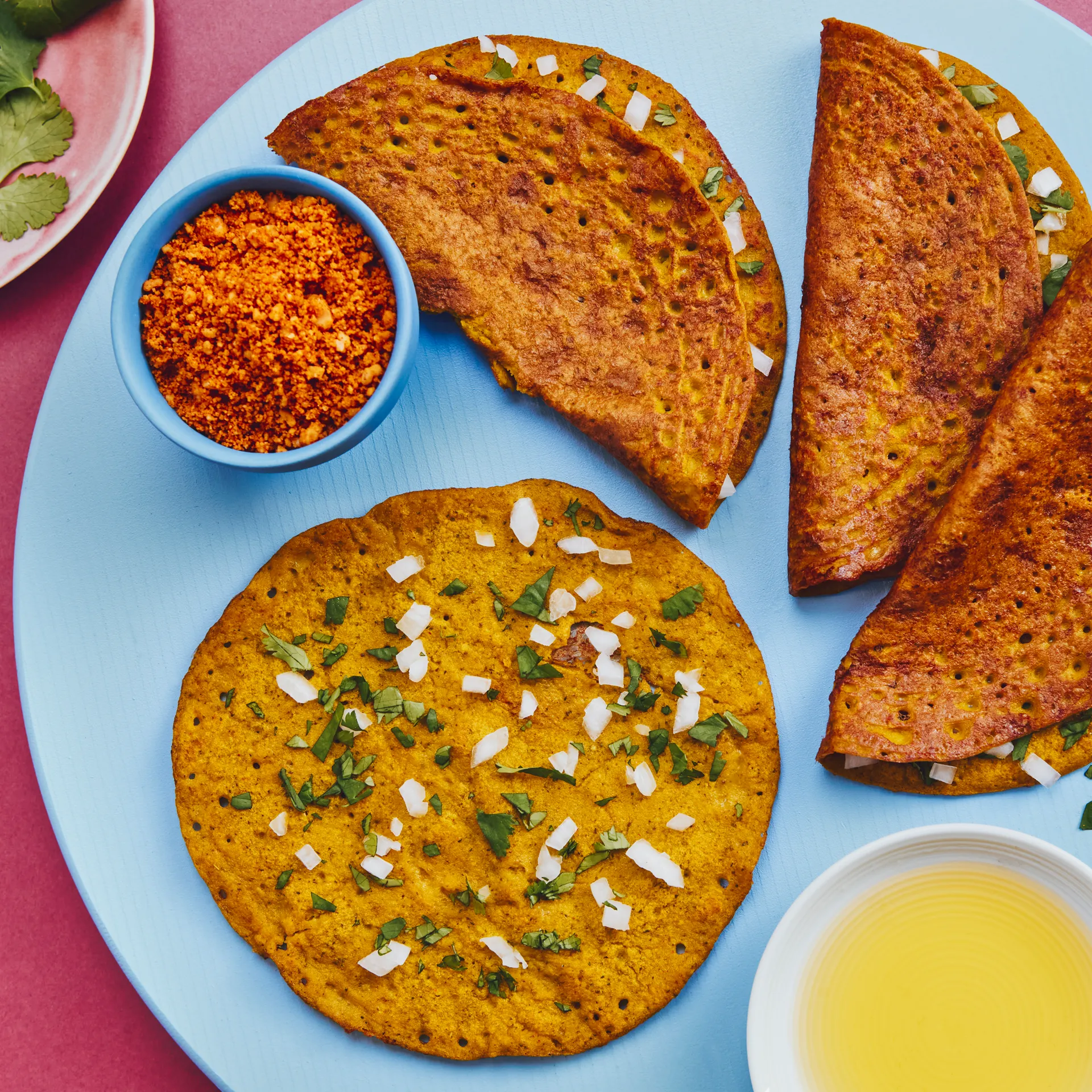
Photo Credit: bonappetit.com
9. Quinoa with Walnuts and Apple
A great alternative to oatmeal for variety.
Ingredients:
½ cup quinoa
1 apple (grated)
A handful of walnuts
A pinch of cinnamon
Preparation:
Boil the quinoa in milk or water.
Stir in the grated apple and walnuts at the end of cooking.
Why it's healthy: Quinoa contains all nine essential amino acids.
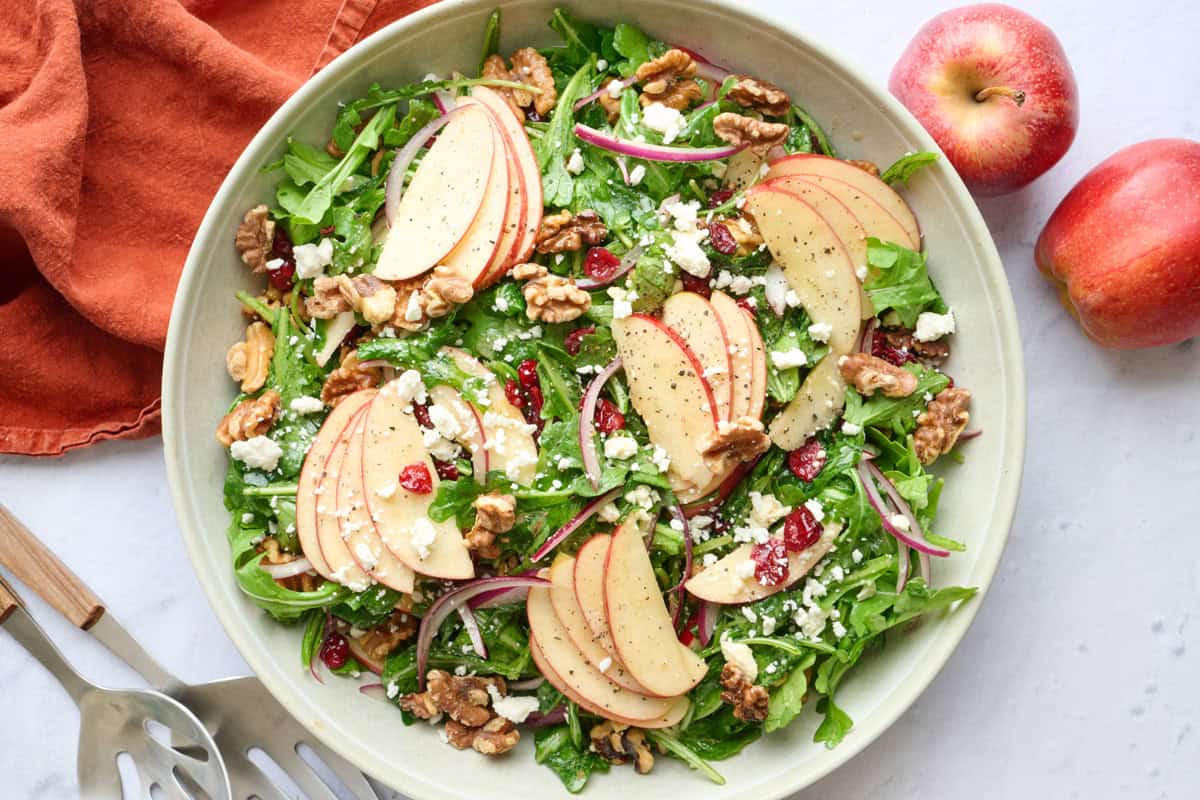
Photo Credit: feelgoodfoodie.net
10. Ricotta and Fresh Pear Toast
A light and elegant breakfast to start the day.
Ingredients:
Whole-grain bread
2 tbsp ricotta cheese
½ pear (sliced)
A drop of honey
Preparation:
Toast the bread and spread with ricotta.
Top with pear slices and a tiny drizzle of honey.
Why it's healthy: Light carbohydrates and calcium without feeling heavy.
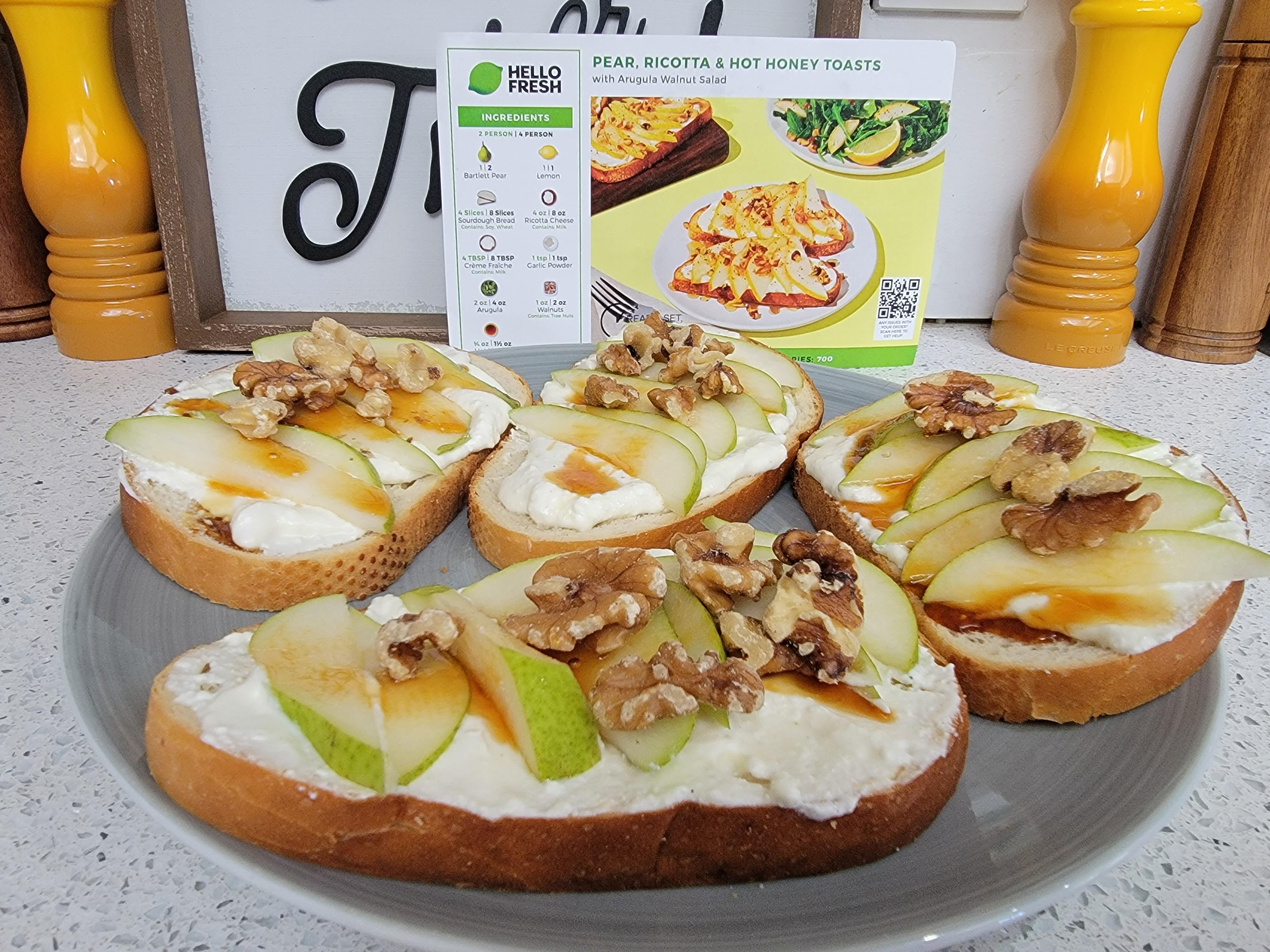
Photo Credit: reddit.com
11. Millet Porridge with Pumpkin
A traditional dish in a healthy, modern format.
Ingredients:
150g pumpkin (diced)
¼ cup millet
1 cup milk
Preparation:
Stew the pumpkin until soft, then add rinsed millet and milk.
Simmer on low heat for 20 minutes.
Why it's healthy: Millet helps detox the body, and pumpkin is rich in Vitamin A.
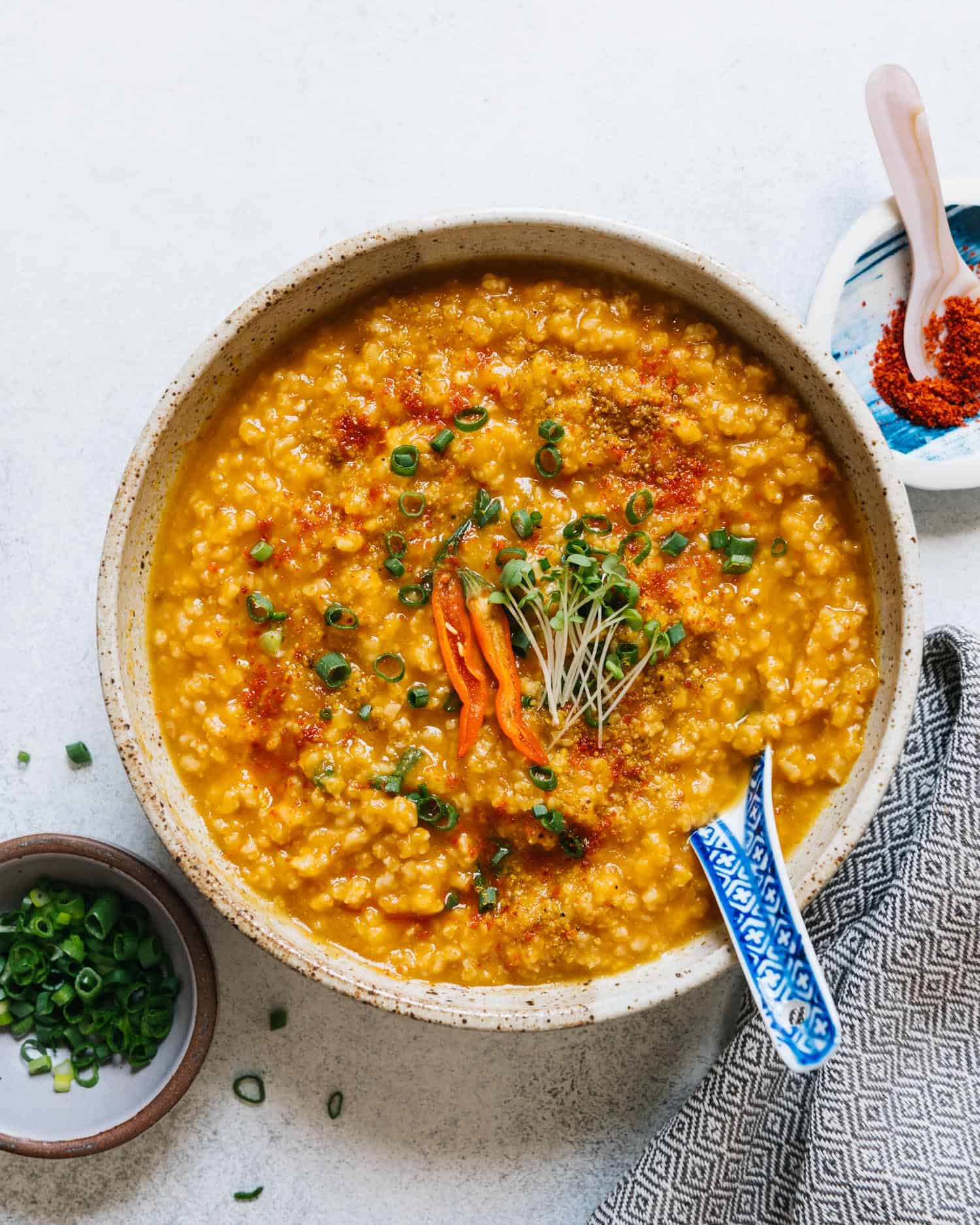
Photo Credit: healthynibblesandbits.com
12. Tofu Scramble Burrito
A great vegan-friendly option for high energy.
Ingredients:
100g firm tofu (crumbled with a fork)
Turmeric (for color)
Mixed vegetables (corn, peppers)
Whole-grain wrap
Preparation:
Sauté the crumbled tofu with spices and vegetables.
Wrap it tightly in a tortilla and lightly toast.
Why it's healthy: Tofu is easy to digest and low in calories.
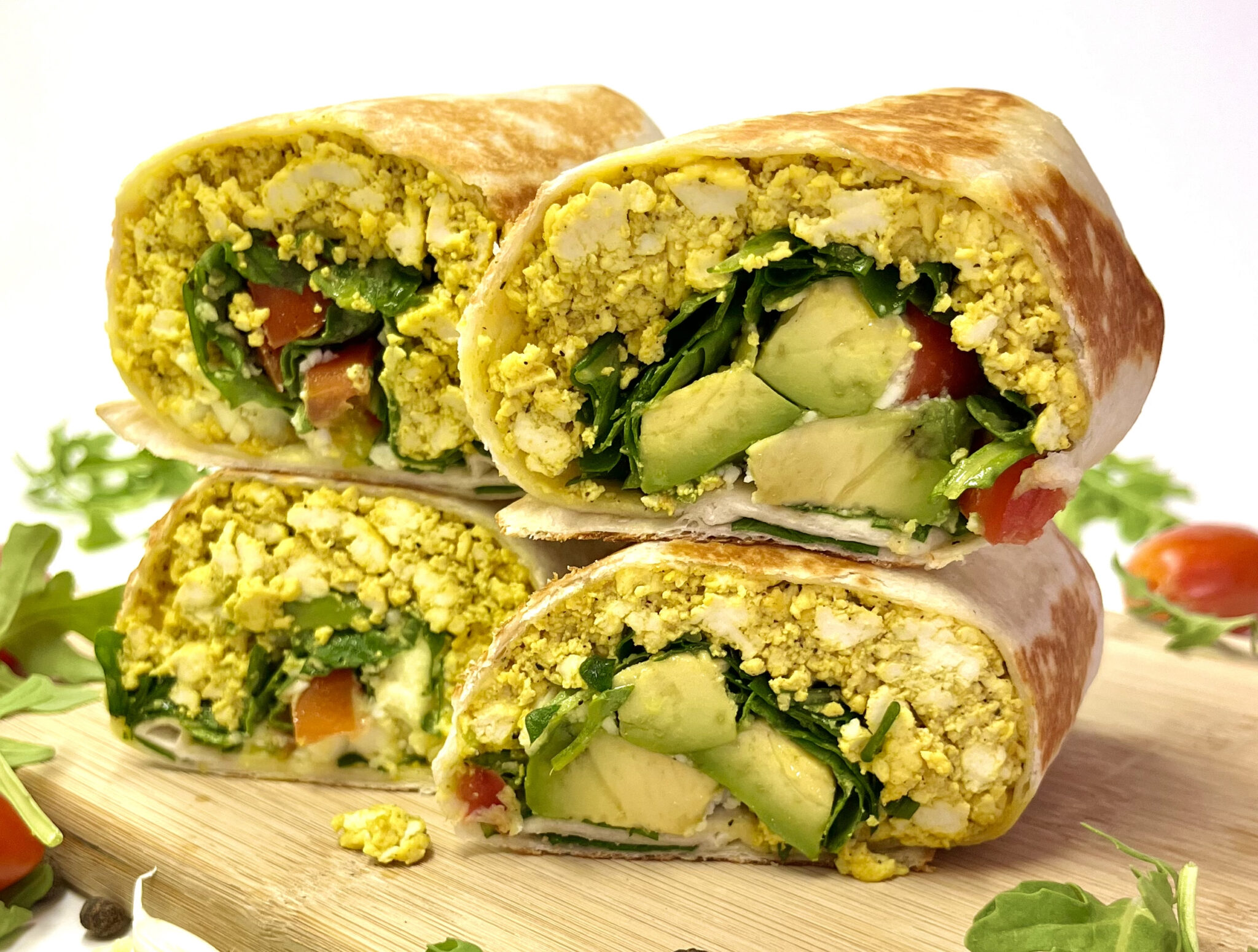
Photo Credit: zestyzahra.com
13. Barley Porridge with Mushrooms
A very hearty dish that digests slowly.
Ingredients:
½ cup pearl barley
100g mushrooms (sliced)
Olive oil
Preparation:
Boil the barley until soft.
Separately sauté mushrooms with a little onion.
Mix together before serving.
Why it's healthy: Barley has one of the lowest GI scores among all grains.
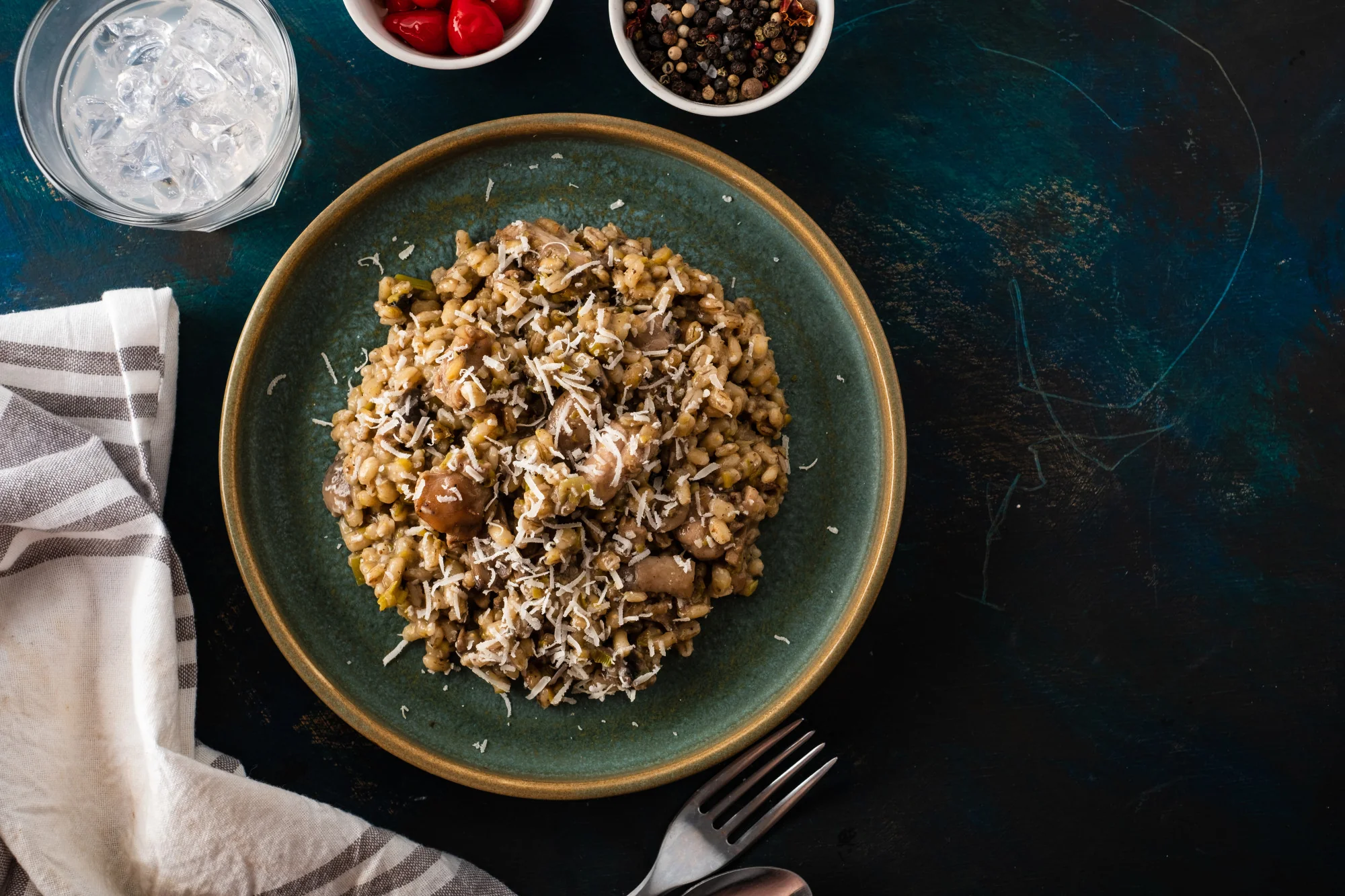
Photo Credit: be-still-farms.com
14. Tuna and Cucumber Sandwich
A quick protein boost for busy mornings.
Ingredients:
Whole-grain bread
Canned tuna in spring water
Fresh cucumber and lettuce leaves
Preparation:
Mash the tuna and spread it on the bread with the vegetables.
Why it's healthy: A fast way to get a dose of Omega-3 in the morning.
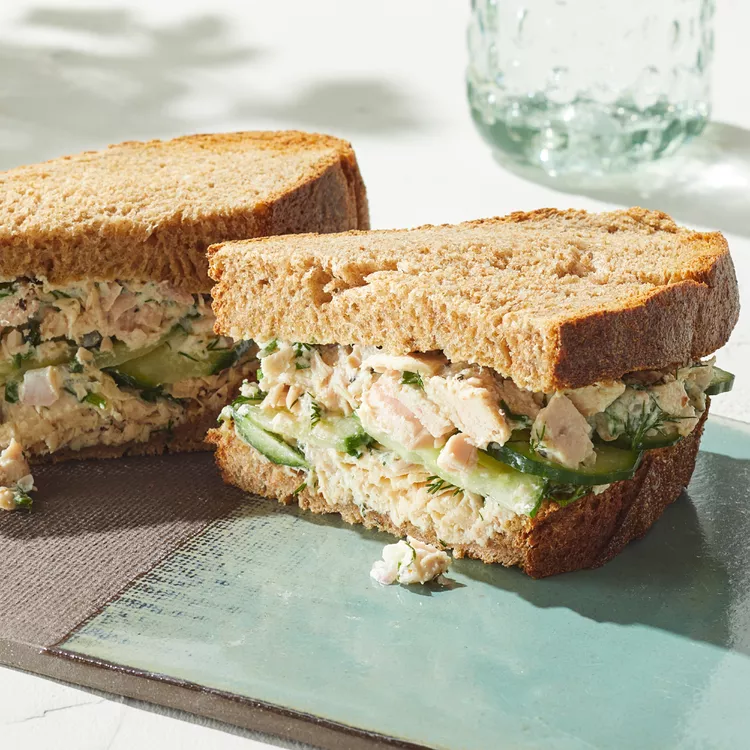
Photo Credit: eatingwell.com
15. Hemp Seed Porridge
A modern superfood breakfast.
Ingredients:
3 tbsp shelled hemp seeds
1 cup milk
Fresh berries for topping
Preparation:
Simmer the seeds in milk for 2–3 minutes until thickened.
Why it's healthy: Gluten-free and contains the perfect balance of fatty acids.
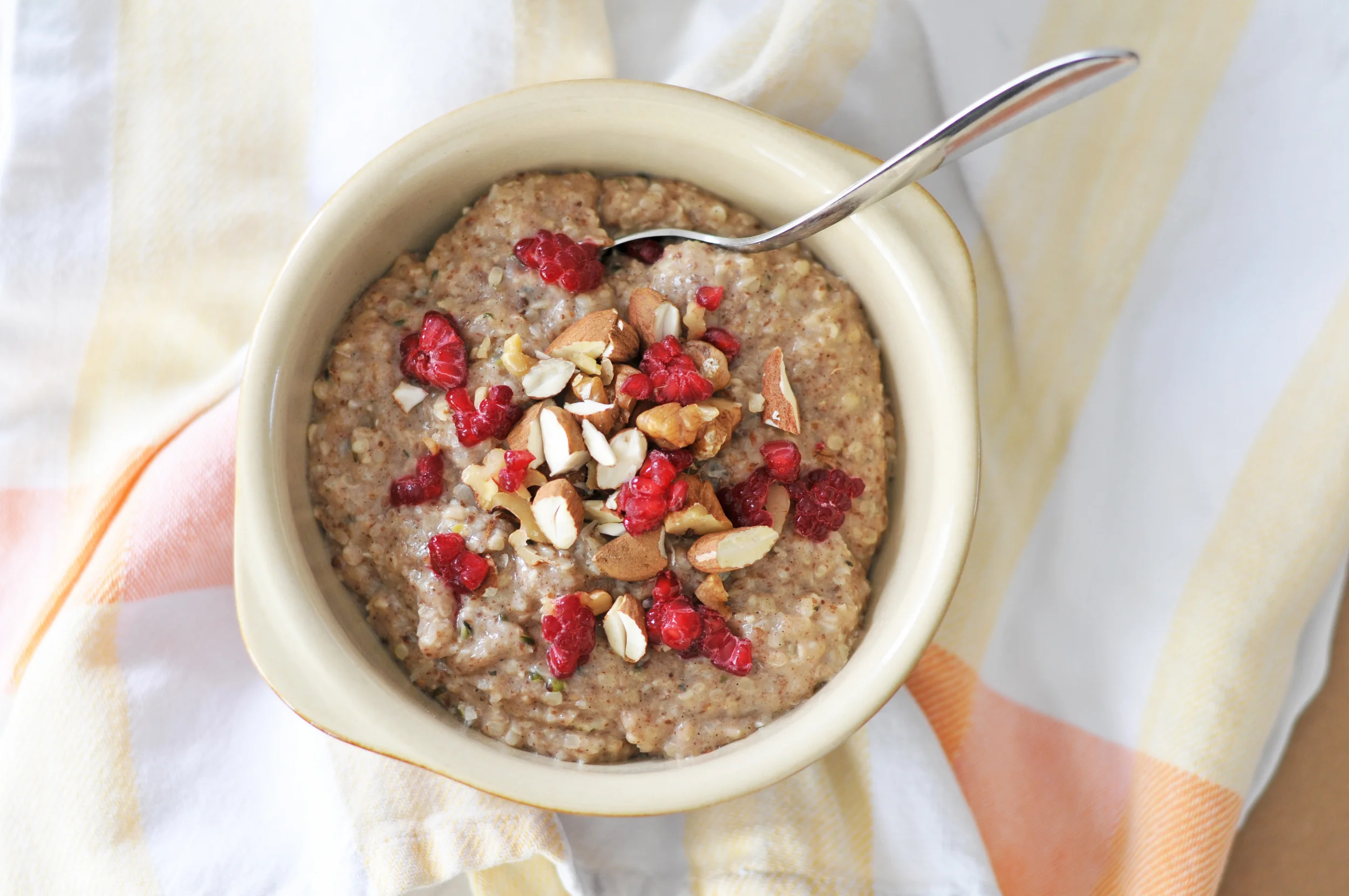
Photo Credit: realfoodsource.org
Healthy Recipes for Iftar
1. Vietnamese Fresh Spring Rolls with Shrimp
A perfect, hydrating starter that requires no frying and is packed with fresh enzymes.
Ingredients:
6-8 rice paper sheets
12 large boiled shrimp (peeled and halved)
1 shredded carrot
1 cucumber (cut into thin strips)
Fresh mint and cilantro leaves
Handful of rice vermicelli (optional)
Preparation:
Dip a rice paper sheet in warm water for 5 seconds until soft.
Lay it flat and place shrimp, veggies, and herbs in the center.
Fold the sides in and roll tightly.
Serve with a light dipping sauce made of lime juice and low-sodium soy sauce.
Why it's healthy: High water content from fresh vegetables helps rehydrate the body immediately after a long day of fasting.
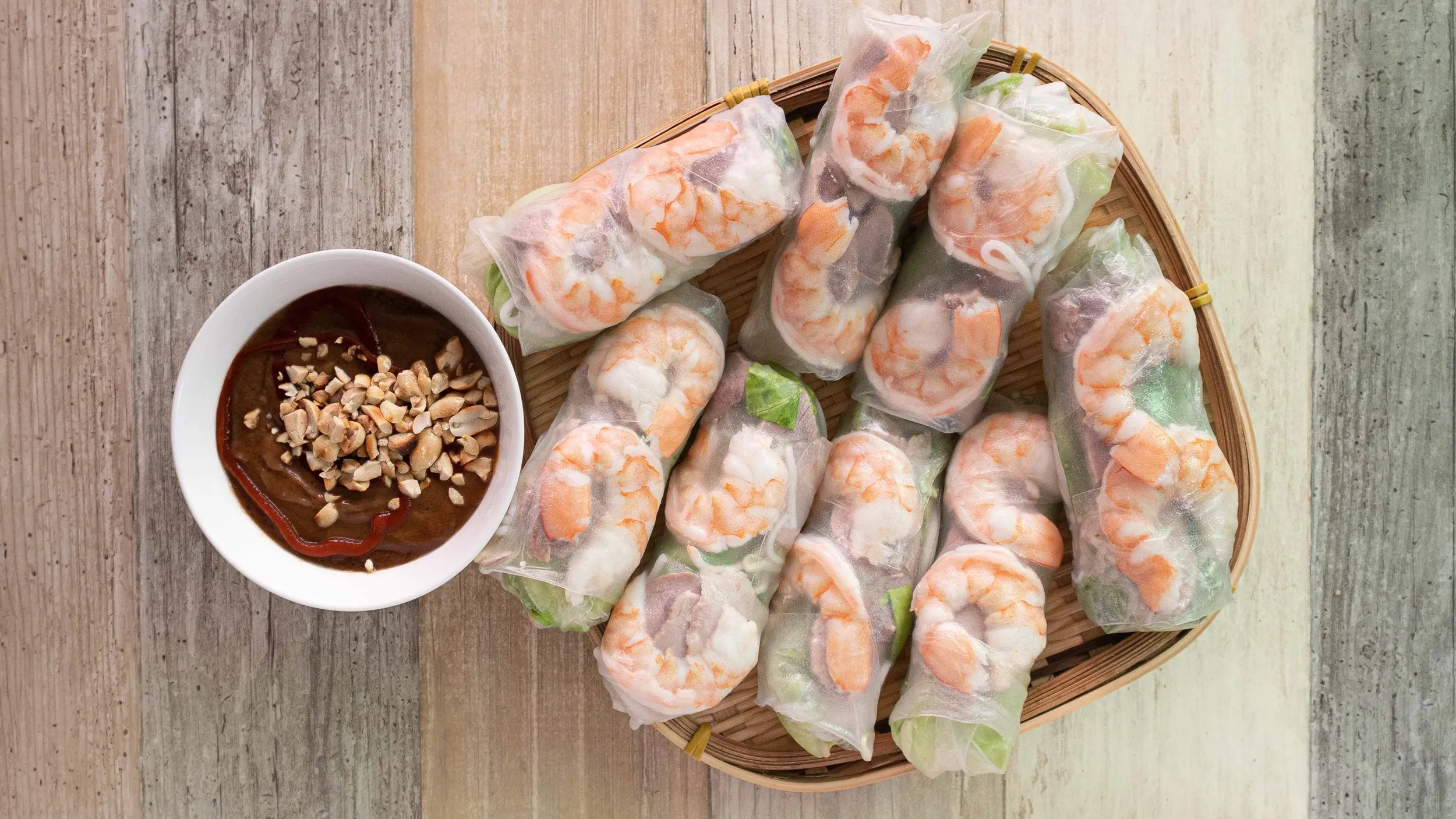
Photo Credit: vickypham.com
2. Baked Sea Bass "En Papillote"
Steamed in its own juices inside a parchment pouch to keep it tender without extra fat.
Ingredients:
1 sea bass fillet (or any white fish)
½ zucchini (thinly sliced)
3-4 lemon wheels
2 sprigs of fresh thyme
1 tsp olive oil
Preparation:
Place the fish and zucchini on a large piece of parchment paper.
Top with lemon, thyme, and a drizzle of olive oil.
Fold the paper into a sealed pouch so no steam escapes.
Bake at 190°C for 15-20 minutes.
Why it's healthy: Provides high-quality light protein and Omega-3 fatty acids that are very easy for the digestive system to process in the evening.
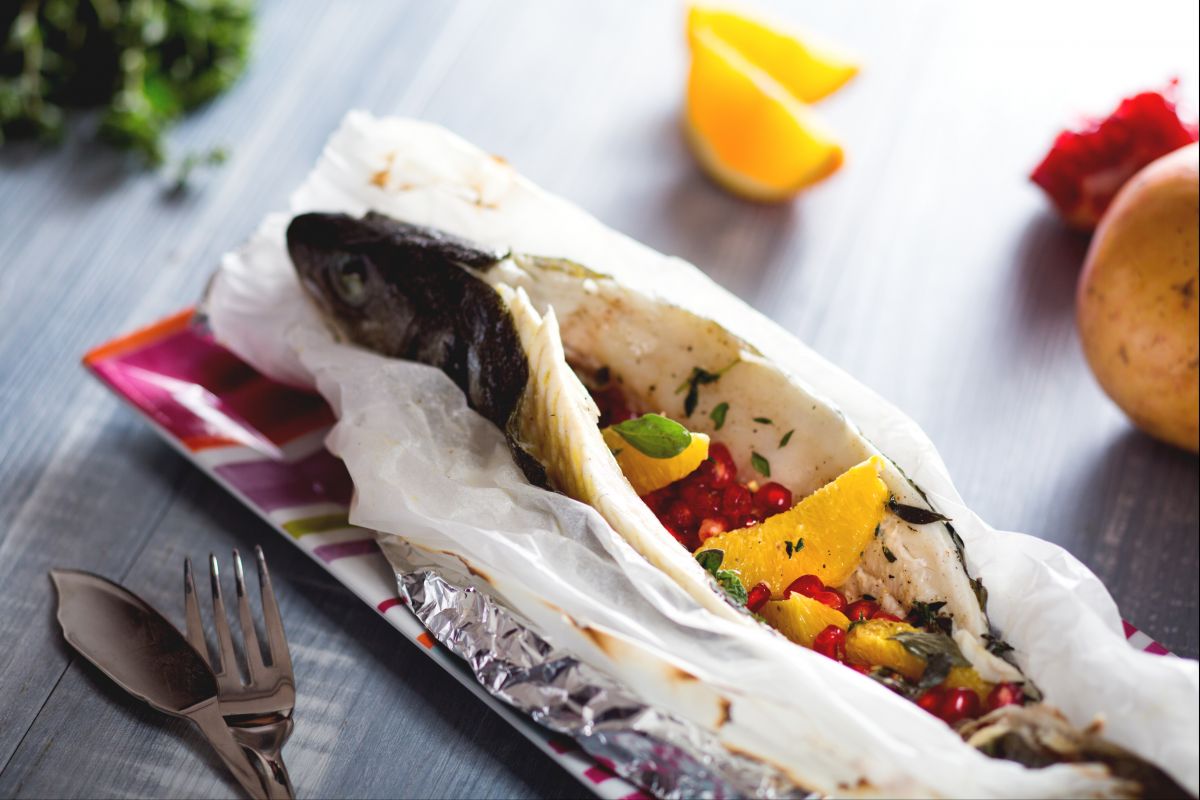
Photo Credit: giallozafferano.com
3. Turkey and Pineapple Skewers
A refreshing sweet-savory combination that aids muscle recovery.
Ingredients for falafel:
300g turkey breast (cut into cubes)
1 cup fresh pineapple chunks
1 red bell pepper (cut into squares)
1 tbsp low-sodium soy sauce
1 tsp grated ginger
Preparation:
Marinate turkey cubes in soy sauce and ginger for 10 minutes.
Thread turkey, pineapple, and pepper onto skewers.
Grill or bake at 200°C for 15-18 minutes until the turkey is cooked through.
Why it's healthy: Pineapple contains bromelain, a natural enzyme that helps the body break down and digest protein more efficiently.
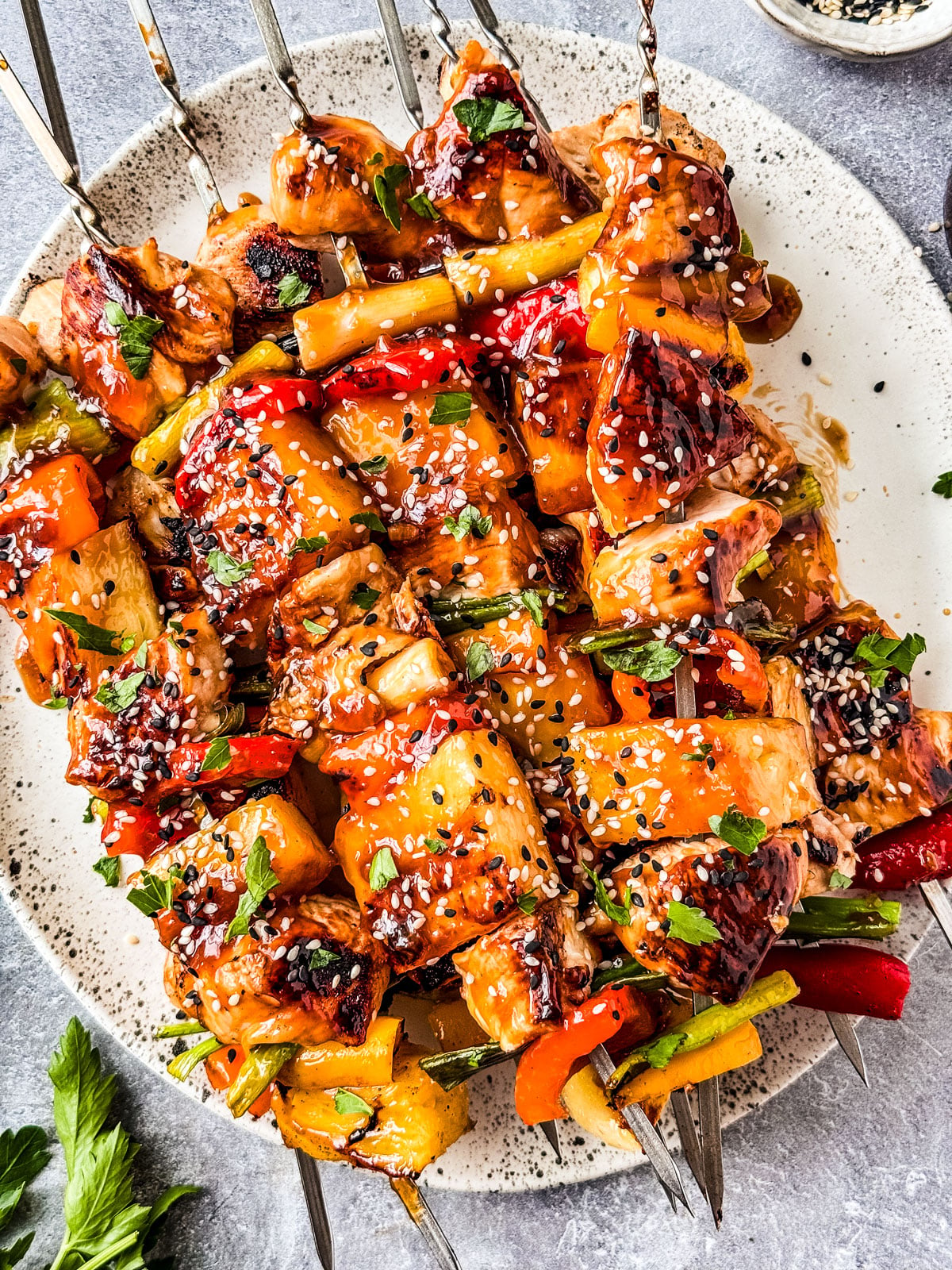
Photo Credit: killingthyme.net
4. Stuffed Bell Peppers with Quinoa and Corn
A colorful, fiber-packed vegetarian main course for lasting satiety.
Ingredients:
2 large bell peppers (halved and deseeded)
1 cup cooked quinoa
½ cup sweet corn (canned or frozen)
¼ red onion (diced)
1 tsp cumin and smoked paprika
Preparation:
Mix cooked quinoa with corn, onion, and spices.
Stuff the pepper halves tightly with the mixture.
Place in a baking dish with 2 tbsp of water at the bottom.
Cover with foil and bake at 180°C for 30 minutes.
Why it's healthy: Quinoa provides a full spectrum of plant-based amino acids and keeps energy levels stable until Suhoor.
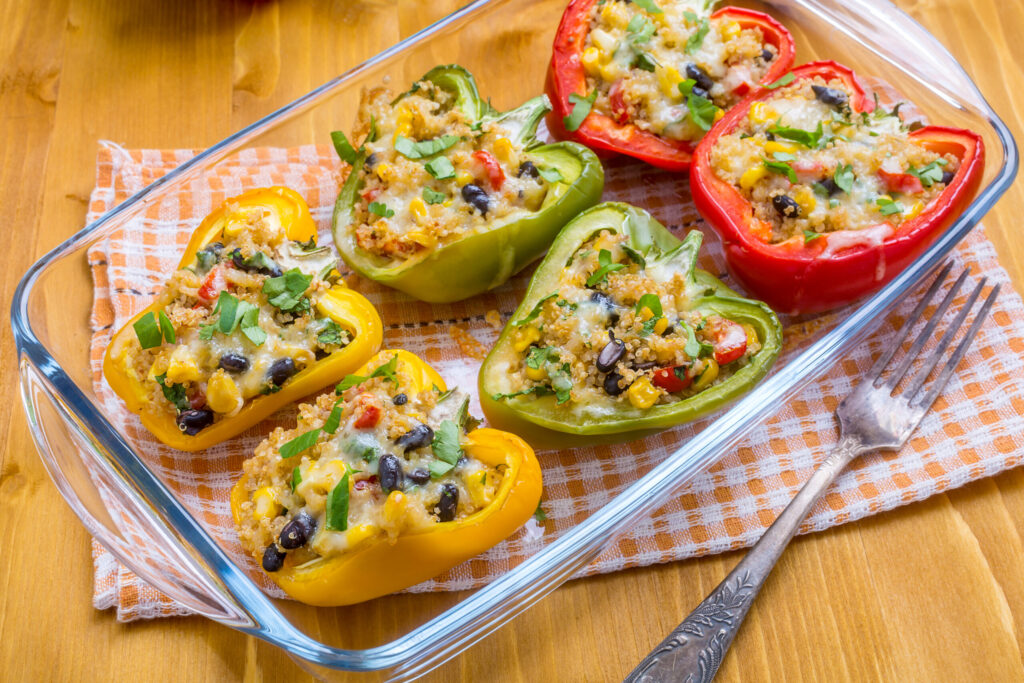
Photo Credit: deedeedoes.com
5. Zucchini Noodles (Zoodles) with Turkey Bolognese
A low-carb, nutrient-dense alternative to traditional heavy pasta dishes.
Ingredients:
2 large zucchinis (spiralized into noodles)
200g ground turkey
1 cup tomato purée (no added sugar)
2 cloves garlic (minced)
Fresh basil leaves
Preparation:
Sauté ground turkey with garlic until browned.
Add tomato purée and simmer for 10 minutes to create a thick sauce.
Toss the raw zucchini noodles into the sauce for just 2 minutes until warm but still crunchy.
Why it's healthy: Satisfies the craving for a hearty meal without the heavy bloating or "carb crash" associated with regular pasta.
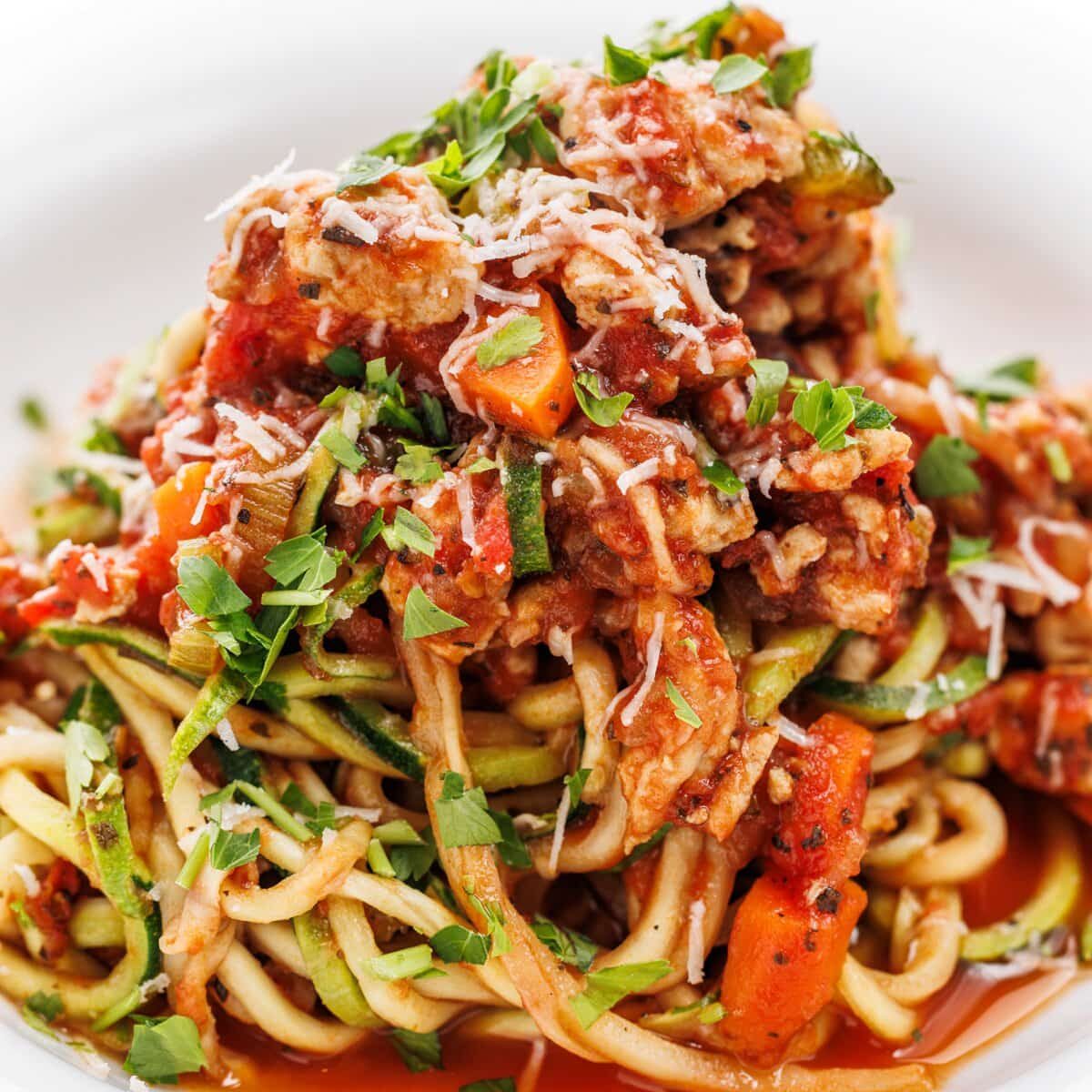
Photo Credit: thelemonbowl.com
6. Grilled Halloumi and Roasted Beetroot Salad
A perfect balance of earthy sweetness and salty protein.
Ingredients:
100g halloumi cheese (sliced)
2 medium beetroots (roasted and sliced)
2 cups fresh arugula
1 tbsp pumpkin seeds
Balsamic glaze (optional)
Preparation:
Lightly grill halloumi slices in a dry pan until golden brown on both sides.
Arrange sliced beets over a bed of arugula.
Top with the warm halloumi and pumpkin seeds.
Drizzle with a small amount of balsamic glaze.
Why it's healthy: Beetroot supports blood health and oxygen flow, which is essential for maintaining stamina during Ramadan.
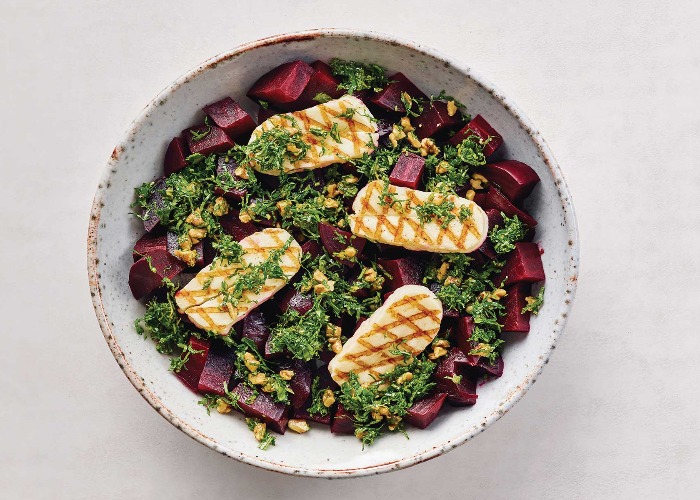
Photo Credit: lovefood.com
7. Steamed Cod with Ginger and Bok Choy
A clean, Asian-inspired "detox" dinner that is light on the stomach.
Ingredients:
1 large cod fillet
2 heads of baby bok choy (halved)
1 tbsp fresh ginger (grated)
1 tsp sesame oil
Juice of half a lime
Preparation:
Place cod and bok choy in a steamer basket.
Top the fish with grated ginger.
Steam for 10-12 minutes until the fish flakes easily.
Drizzle with sesame oil and lime juice before serving.
Why it's healthy: Extremely low in fat and saturated with anti-inflammatory ginger to soothe the digestive tract.
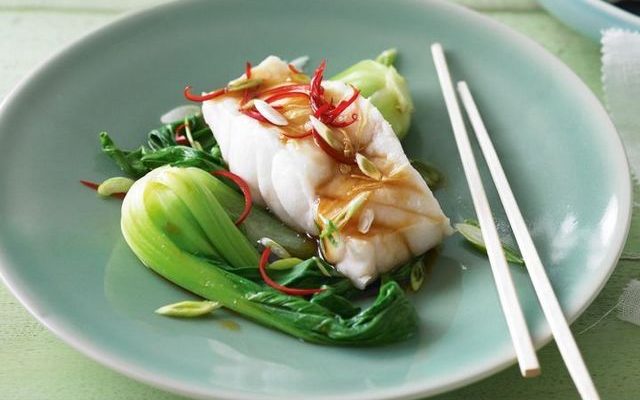
Photo Credit: deegourmetgoddess.com
8. Warm Sweet Potato and Kale Salad
A nutrient-dense bowl that fills you up with vitamins and healthy fiber.
Ingredients:
1 large sweet potato (cubed)
2 cups kale (tough stems removed and chopped)
1 tbsp dried cranberries
1 tbsp tahini mixed with lemon juice (as a dressing)
Preparation:
Roast sweet potato cubes at 200°C for 20 minutes until soft.
While potatoes are hot, toss them with the kale so the leaves wilt slightly.
Add cranberries and drizzle with the creamy tahini dressing.
Why it's healthy: High in Vitamin A for eye health and fiber to keep your digestion regular during the month.
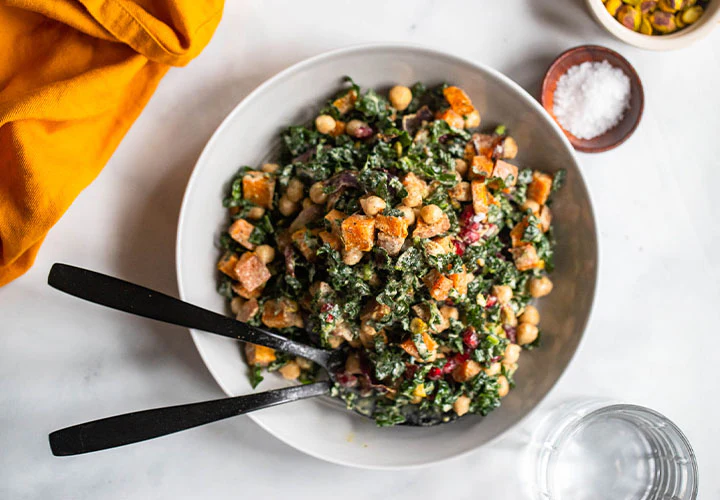
Photo Credit: thespicehouse.com
9. Prawn Stir-Fry with Snow Peas and Cashews
A high-protein meal that can be prepared in under 10 minutes.
Ingredients:
150g raw prawns (peeled)
1 cup snow peas
Handful of raw cashews
1 clove garlic and a slice of ginger
1 tsp sesame oil
Preparation:
Heat sesame oil in a wok or large pan.
Sauté garlic and ginger for 30 seconds.
Add prawns and snow peas; stir-fry on high heat for 3-5 minutes.
Toss in the cashews at the very end for extra crunch.
Why it's healthy: Prawns are a lean source of protein and zinc, which helps support the immune system.
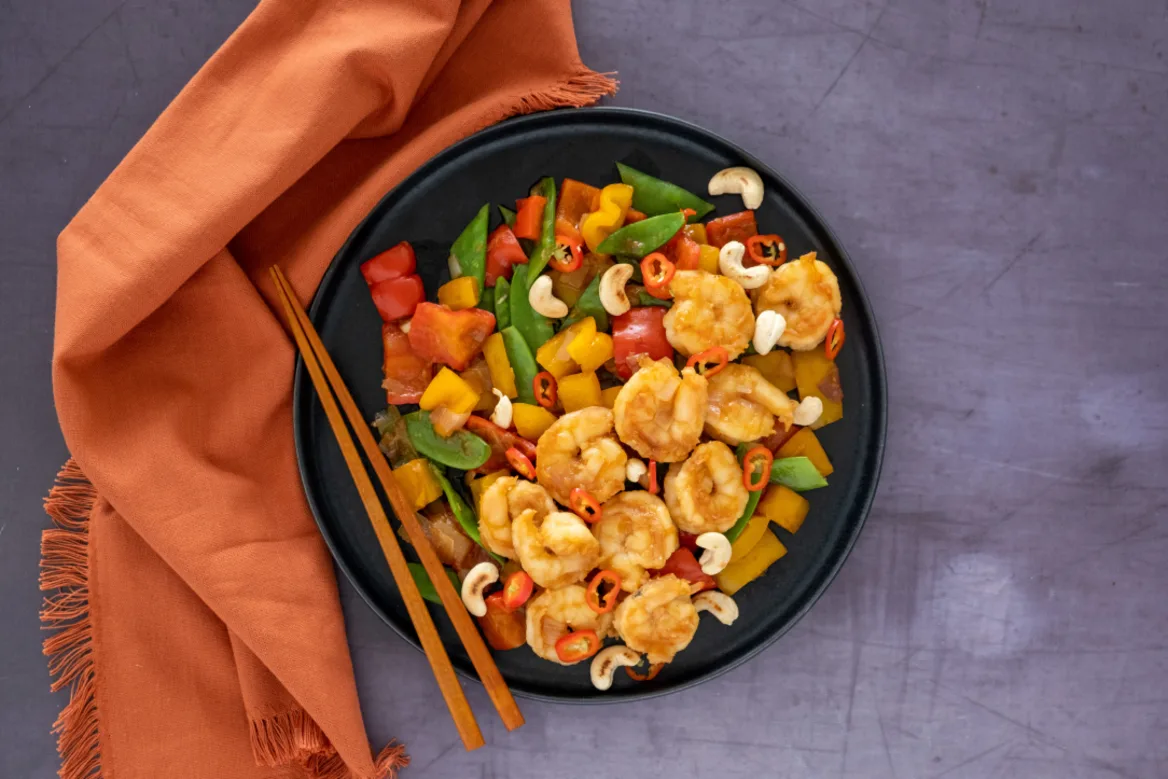
Photo Credit: ellochef.me
10. Baked Eggplant "Pizza" Discs
A fun, grain-free way to enjoy classic Italian flavors without the heavy dough.
Ingredients:
1 large eggplant (cut into 1cm thick rounds)
½ cup tomato sauce (sugar-free)
50g low-fat mozzarella cheese
Fresh basil leaves
Preparation:
Roast eggplant rounds at 200°C for 15 minutes until soft.
Spread a spoonful of tomato sauce on each disc and top with a sprinkle of cheese.
Broil for 2-3 minutes until the cheese is bubbly.
Garnish with fresh basil.
Why it's healthy: Dramatically reduces the calorie count of a "pizza" meal while providing plenty of dietary fiber.
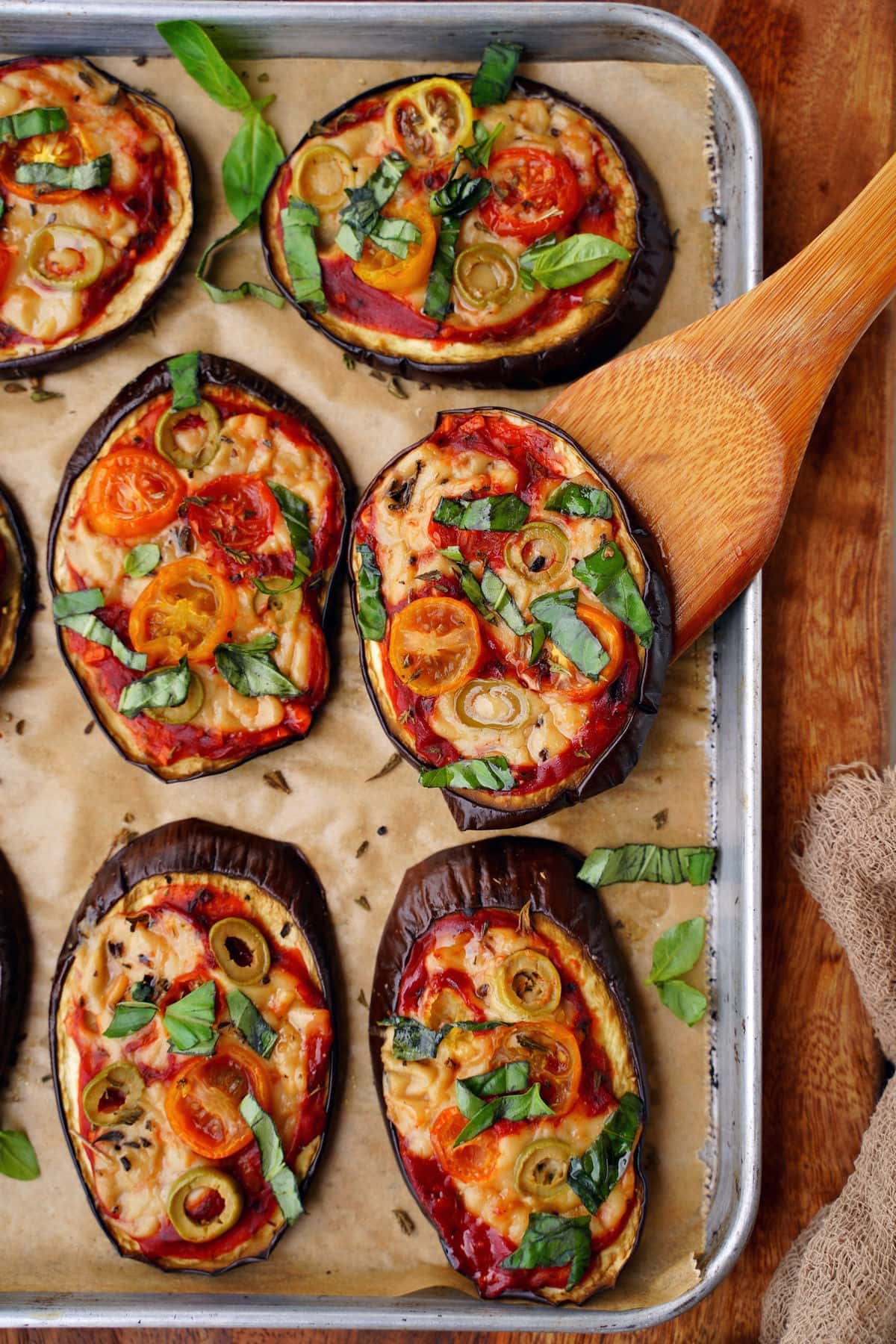
Photo Credit: elavegan.com
11. Savory Oat Flour Crepes with Chicken and Herbs
A light, protein-packed wrap that feels like a gourmet treat.
Ingredients:
½ cup oat flour mixed with 1 egg and ½ cup milk (for the batter)
150g shredded boiled chicken breast
2 tbsp Greek yogurt
Fresh dill and parsley (chopped)
Preparation:
Cook thin crepes using the oat batter in a non-stick pan.
Mix shredded chicken with yogurt and fresh herbs.
Fill each crepe with the chicken mixture and roll up tightly.
Why it's healthy: Uses complex carbohydrates from oats and lean protein from chicken for a slow and steady energy release.
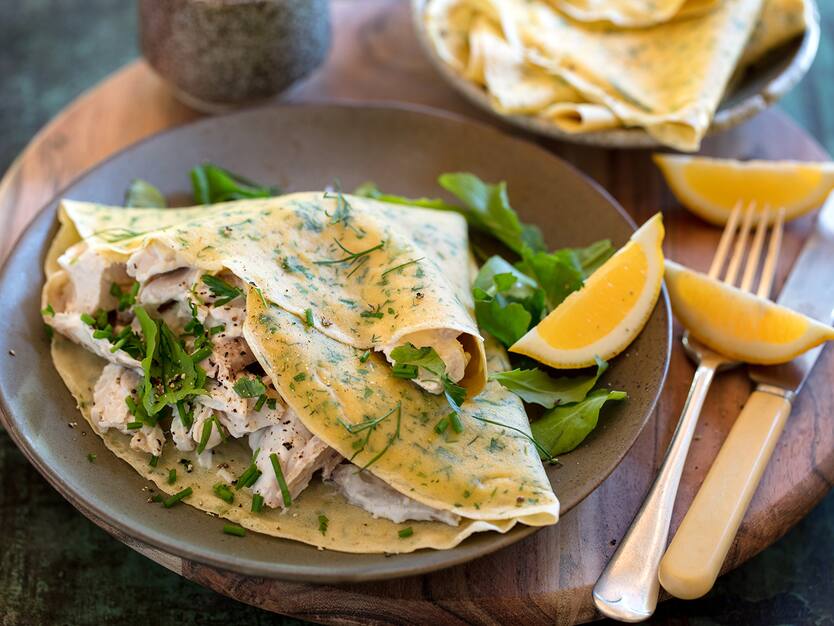
Photo Credit: nzherald.co.nz
12. Lentil and Mushroom "Loaf"
A savory, meatless version of a traditional roast that is packed with minerals
Ingredients:
1 cup cooked brown lentils
1 cup finely chopped mushrooms
½ cup rolled oats (as a binder)
1 onion (diced and sautéed)
1 tsp dried thyme
Preparation:
Mash the lentils slightly and mix with mushrooms, oats, onion, and thyme.
Press the mixture into a small loaf tin lined with parchment.
Bake at 180°C for 35 minutes until firm.
Let it cool slightly before slicing.
Why it's healthy: Deeply satisfying and provides a massive dose of plant-based iron and magnesium.
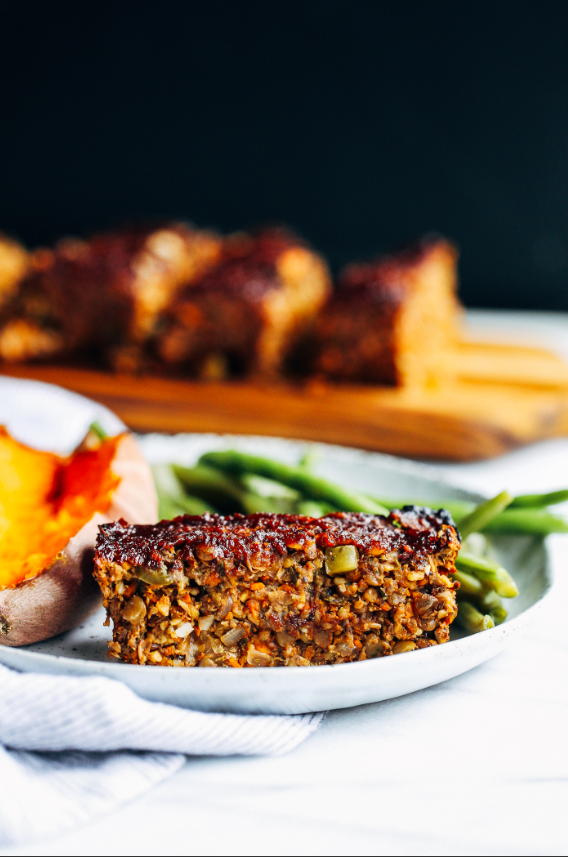
Photo Credit: makingthymeforhealth.com
13. Avocado and Raw Cocoa Mousse
A creamy, decadent dessert that satisfies sweet cravings without the sugar crash.
Ingredients:
1 very ripe avocado
2 tbsp raw cocoa powder (unsweetened)
1 tbsp maple syrup or honey
Fresh berries for topping
Preparation:
Scoop the avocado into a blender or food processor.
Add cocoa powder and syrup; blend until completely smooth and creamy.
Chill in the refrigerator for at least 10 minutes.
Serve topped with fresh berries.
Why it's healthy: Rich in monounsaturated "good" fats and antioxidants, keeping you full until Suhoor.
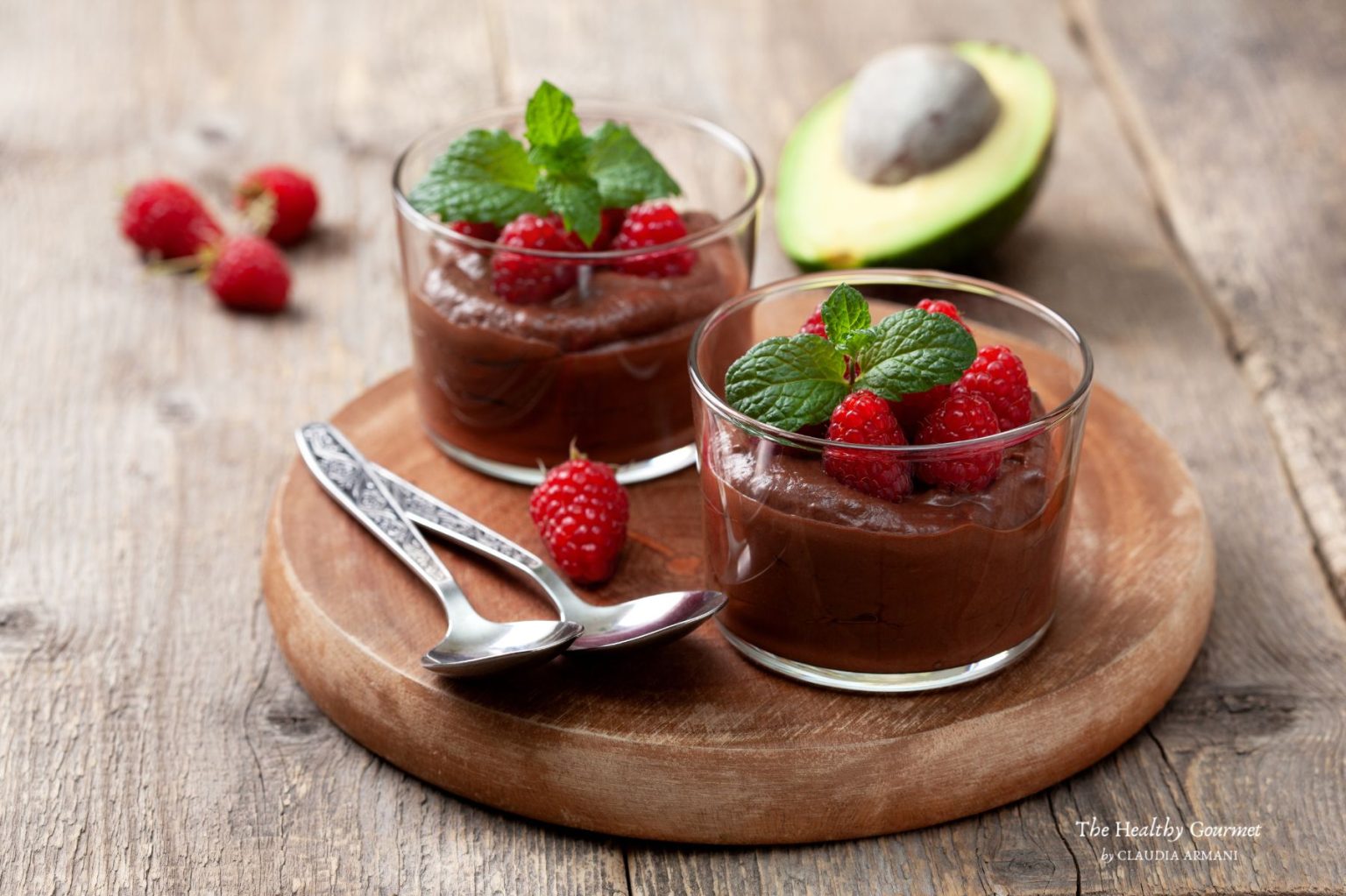
Photo Credit: thehealthygourmet.co.uk
14. Moroccan Tagine with Cauliflower and Apricots
A fragrant, slow-cooked vegetable dish inspired by North African flavors.
Ingredients:
1 small cauliflower (cut into florets)
2 carrots (sliced)
6 dried apricots (halved)
½ tsp each of turmeric, cinnamon, and ginger
1 cup vegetable broth
Preparation:
Place all ingredients in a heavy pot or tagine.
Cover and simmer on low heat for 25-30 minutes until the vegetables are tender.
Let the sauce reduce until it is thick and flavorful.
Why it's healthy: Naturally sweet from the apricots without added sugar, and high in fiber for digestive regularity.
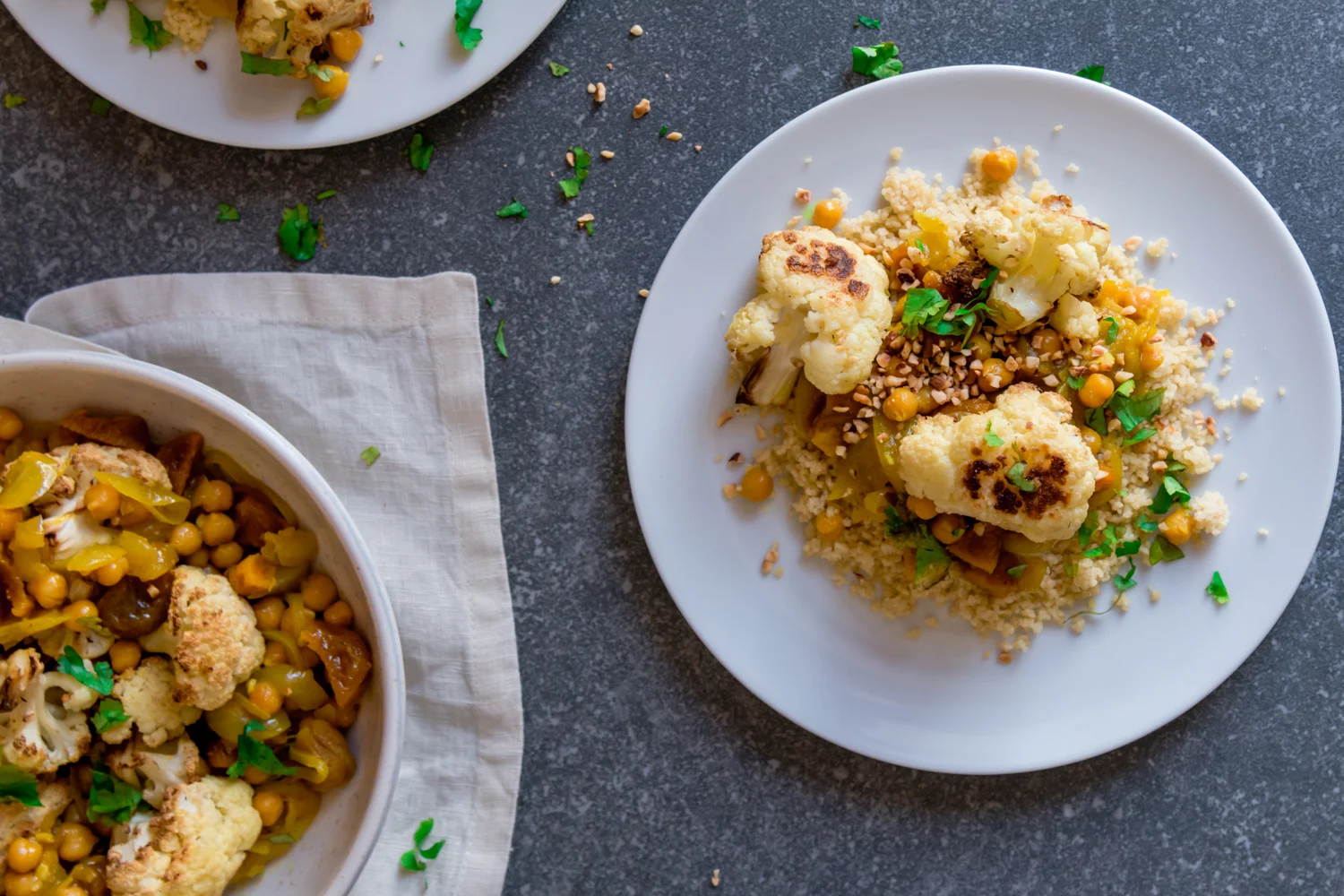
Photo Credit: mymoroccanfood.com
15. Turkey Meatballs in Golden Turmeric Broth
A soothing, liquid-based main course that focuses on hydration and inflammation.
Ingredients:
200g ground turkey (rolled into small meatballs)
2 cups chicken or vegetable broth
1 tsp fresh turmeric (grated)
Large handful of fresh baby spinach
Preparation:
Bring the broth and turmeric to a gentle simmer.
Carefully drop the turkey meatballs into the broth.
Cook for 15 minutes until the meatballs are floating and cooked through.
Stir in the spinach leaves at the very last second until they wilt.
Why it's healthy: Turmeric is a powerful anti-inflammatory, and the warm broth helps restore fluids lost during the day.
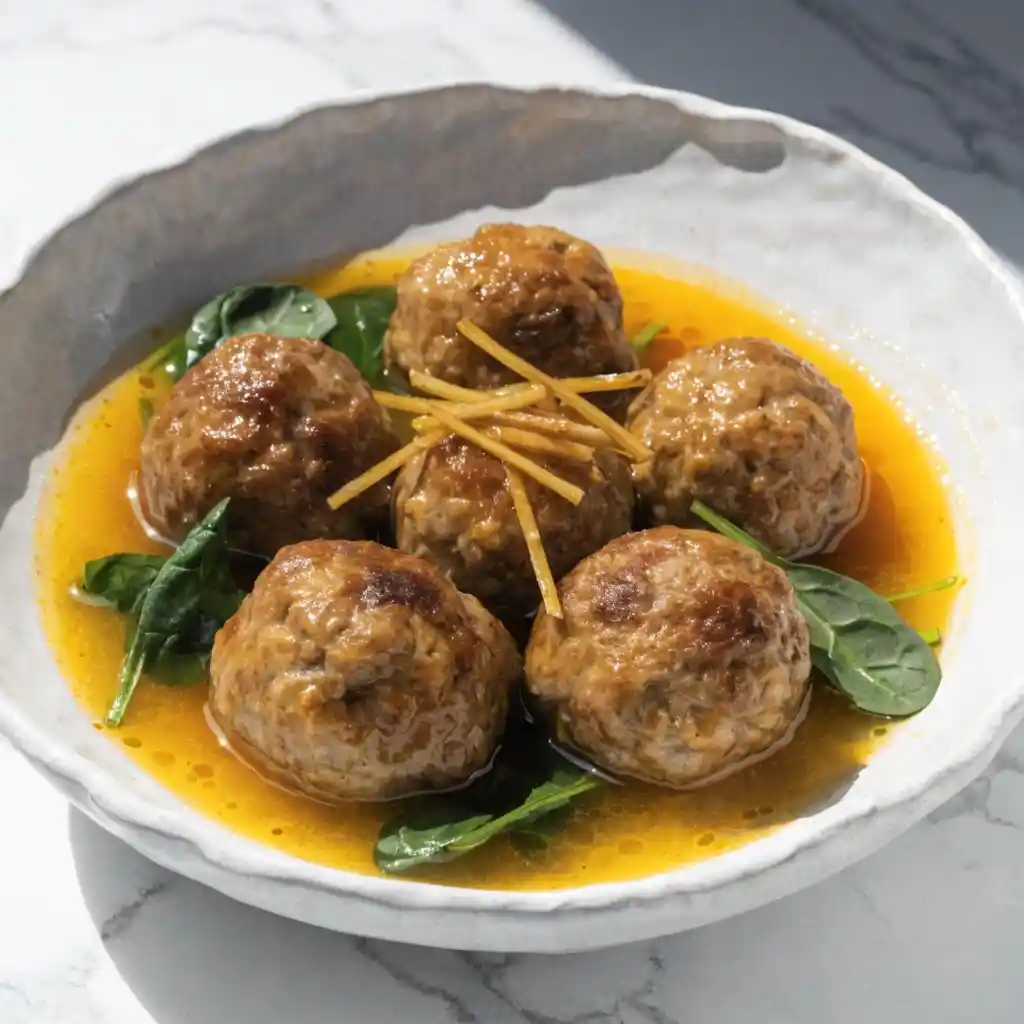
Photo Credit: mydelishdiaries.com
Tips for Maintaining Balance During Ramadan
Stay hydrated - Drink plenty of water between Iftar and Suhoor.
Portion control - Eat until you're satisfied, not until you're full.
Eat slowly - Give your body time to register fullness.
Include all food groups - Ensure a balance of proteins, carbohydrates, fats, vitamins, and minerals.
Limit processed foods - Choose whole, natural foods whenever possible.
Prepare ahead - Plan and prepare your Suhoor the night before to ensure you don't skip it.
May this Ramadan bring you health, peace, and spiritual fulfillment through mindful eating practices.