
{{ group }}
-
{{ item.name }}
- {{ item.properties.formatted }}
“Been a regular at this Starbucks, visited at least a couple of dozen times in 2025. Very courteous and friendly barista's, clean place, very relaxing environment, constant stream of happy people.
I was shocked to see poor rating, esp about the cleanliness. I think that is very harsh.
I highly recommend this location. The staff is great.“



“The Starbucks at 301 Greenwich Avenue presents a masterclass in brand camouflage. In a town where displaying wealth too conspicuously marks you as nouveau riche, Starbucks has achieved something remarkable: making a global chain feel bespoke.
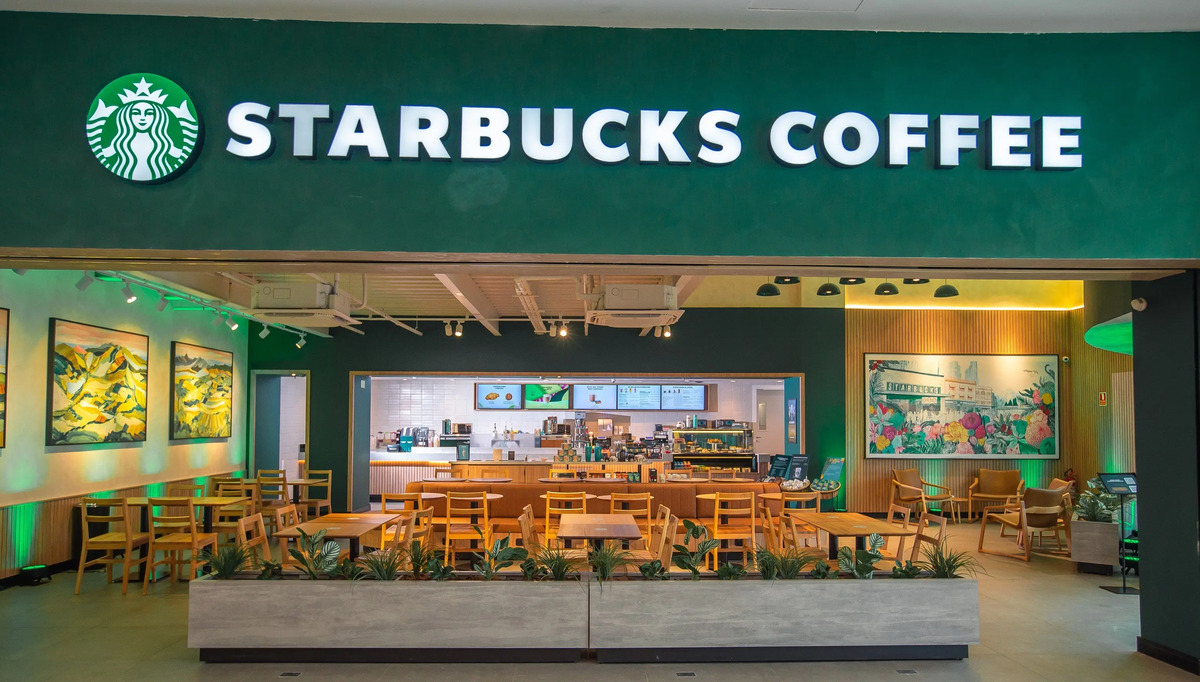
Walk past the limestone-and-brick corner building, and you might mistake it for Greenwich's latest artisanal coffee house. The signature green is nowhere to be found. Instead, sage-toned awnings and muted bronze lettering whisper the brand name. It's corporate stealth mode, executed with Swiss precision.
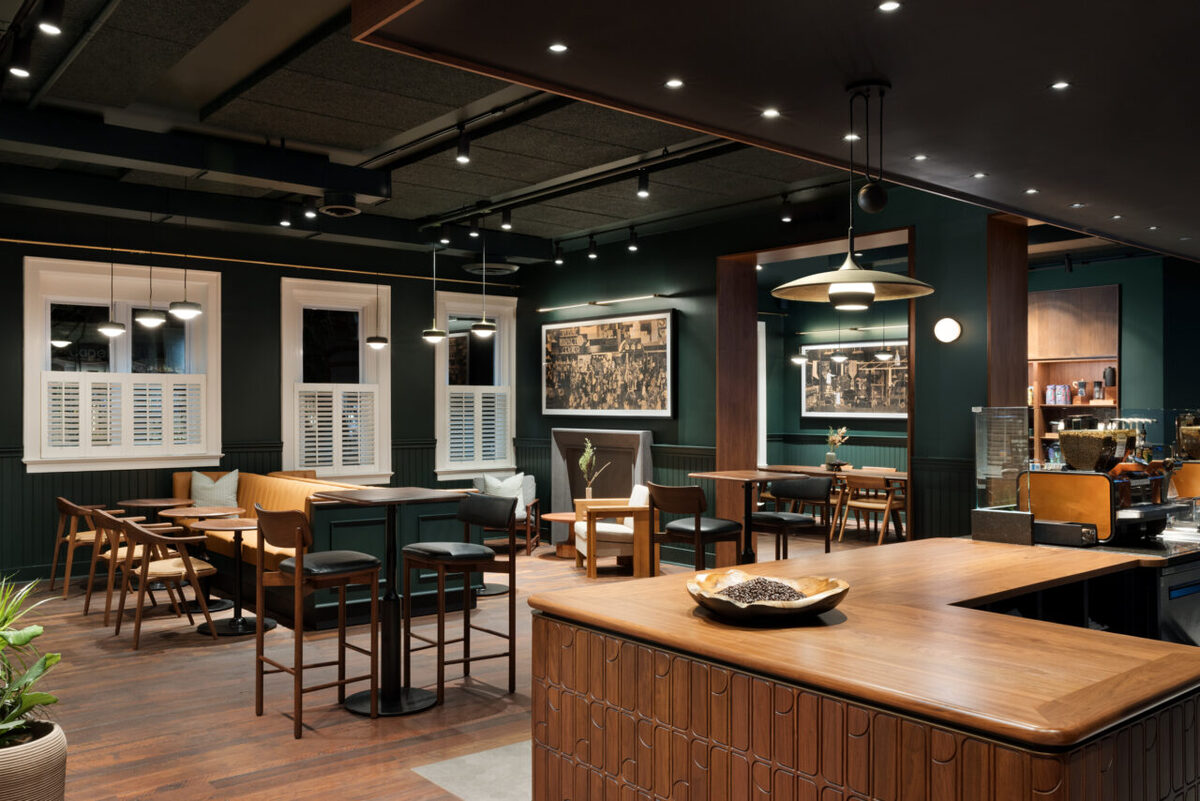
The interior tells an even more sophisticated story. Gone are the industrial aesthetics and rapid-turnover furniture of typical locations. Here, warm walnut paneling meets exposed ductwork painted in calming sage green—a color palette that screams expensive therapy office rather than coffee chain. Mid-century furniture suggests permanence and quality.
This demographic dance shows Starbucks' strategic sophistication. The space buzzed with affluent teenagers in designer denim, mixing SAT prep anxiety with summer house plans. It's a calculated bet: capture Greenwich Academy and Brunswick School students, and you've secured a pipeline to the next generation of American wealth.
The economics are telling. Customers pay $2 hourly parking fees for $6 lattes—price-insensitivity that would make any economist salivate. Luxury SUVs alongside modest sedans suggest Starbucks has cracked the code on appealing to both Greenwich's elite and its professional class.
From a regulatory standpoint, the renovation likely required extensive coordination with Greenwich's Historic District Commission—a process demanding years and substantial legal fees. The investment signals long-term market commitment and suggests this location serves as a laboratory for affluent suburban expansion.
The real genius lies in what's absent. Traditional Starbucks colors have been banished for a palette suited to Fairfield County country clubs. The lighting creates perpetual golden hour, perfect for self-marketing Instagram content.
This isn't just about coffee—it's cultural code-switching at corporate scale. Starbucks has created a stealth franchise model, maintaining operational consistency while adapting aesthetically to local sensibilities. The question: can this formula scale beyond Greenwich's unique ecosystem?
The broader implications extend beyond retail strategy. As American wealth concentrates in specific zip codes, successful brands must master cultural translation. What works in Greenwich won't work in Palo Alto or Manhattan's SoHo. Each requires its own brand diplomacy.
For corporate practitioners, this location represents a fascinating case study in balancing franchise standards with local adaptation. How do you maintain quality control while allowing substantial deviation from corporate guidelines? What liability issues arise when flagship locations set expectations that standard stores cannot meet?
The Greenwich Starbucks succeeds because it understands that true luxury often means having something look effortless when it required enormous effort. The casual observer sees a neighborhood coffee shop; the trained eye recognizes millions in investment, months of regulatory navigation, and careful demographic research.
In an era when authenticity has become the ultimate luxury good, Starbucks has achieved something paradoxical: making a global corporation feel authentically local. Whether this model can scale remains the billion-dollar question—but in Greenwich, they've cracked the code on stealth luxury retail.“